6 Best AI Garden Sensors for Plant Care: Smart Monitoring
Do you struggle to keep your plants alive? You are not alone. Many plant lovers forget to water, overwater, or miss the signs of stress until it’s too late.
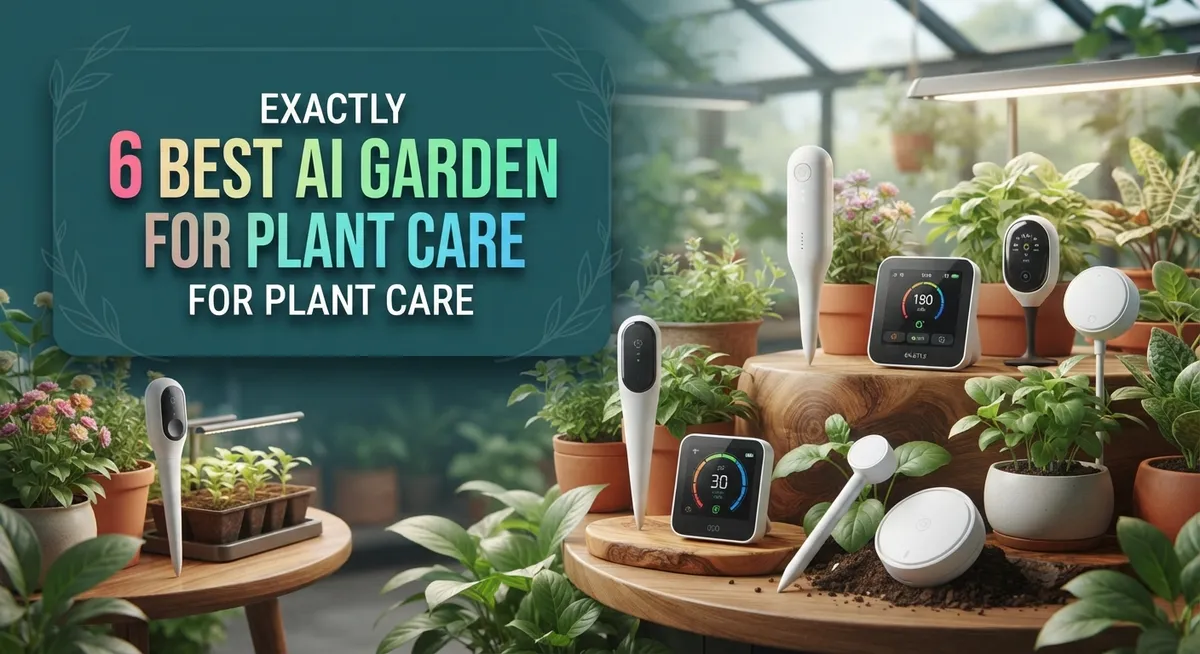
AI garden sensors solve this problem. They watch your plants when you can’t. These smart tools track light, humidity, temperature, and soil nutrients in real time.
Some sensors even connect to automation platforms like Home Assistant. This means your garden can water itself and adjust lighting without you lifting a finger.
Whether you grow herbs on a windowsill or care for outdoor trees, there is a sensor built for your needs. Indoor plants benefit from soil sensors paired with smart systems. Outdoor plants need tougher sensors that handle weather changes.
The right sensor gives you data you can actually use. It tells you what your plant needs before problems start.
We tested and researched the market to bring you the 6 best AI garden sensors for plant care. Each pick offers unique features for different gardening styles. Keep reading to find the perfect match for your green space.
How We Chose Our Top Picks
We spent time researching AI garden sensors across multiple categories. Our focus was on real world reliability. We looked at which sensors actually deliver accurate data when plants need it most.
Build quality matters because sensors sit in soil and moisture all day. We checked durability reports and user feedback on long term performance. A sensor that fails after three months helps no one.
We evaluated key features like light measurement, humidity tracking, temperature sensing, and nutrient detection. We prioritized sensors that measure multiple parameters at once. Single function devices simply don’t give you the complete picture your plants need.
We also considered how easily each sensor connects to your existing smart home setup. Integration with platforms like Home Assistant makes automation possible. You get watering alerts and lighting adjustments without lifting a finger.
Finally, we assessed overall value by weighing capabilities against what you actually get to use. We removed products that sound impressive but deliver confusing data. This list contains sensors that help you keep plants thriving, not just collect numbers on your phone.
1. Xiaomi Flower Care

- 🌵 🌷【The Latest White 4 in 1 Flower Care Monitor】- The best choice for planting:Monitors humidity...
- 🌵 🌷【Automatically Monitors Moisture Level】- Moisture Meter Plants A long black stripe sensor helps...
Last update on 2026-08-22 / Affiliate links / Images from Amazon Product Advertising API
The Xiaomi Flower Care is a compact soil sensor that monitors your plants’ health in real time. It works best for indoor plant lovers who want instant feedback without complicated setup.
This sensor tracks four critical parameters: soil moisture, light intensity, temperature, and nutrient levels. All data syncs to your phone, so you get alerts when your plants need water or sunlight.
Build quality is solid for indoor use, with a durable probe that resists corrosion from constant soil contact. The device runs on a replaceable battery that lasts several months between changes.
In practice, the Xiaomi Flower Care delivers accurate readings that help you stop guessing about plant care. Many users report healthier plants within weeks of following the app’s simple recommendations.
Pros
- Real-time monitoring of soil moisture, light, temperature, and nutrients
- Easy mobile app with straightforward watering and care alerts
- Long battery life between replacements
- Works well for potted plants and indoor gardens
Cons
- Limited outdoor durability in harsh weather conditions
- App occasionally requires manual refreshes to sync data
- Probe may need cleaning if soil becomes heavily compacted
2. Parrot Flower Power

- 【Reliable Wireless Soil Moisture Sensor】: Equipped with advanced chip, ECOWITT WH51 wireless soil moisture...
- 【Support Pairing with Various Ecowitt Gateway/Consoles】: The GW1100 Gateway(sold separately) supports up...
Last update on 2026-08-22 / Affiliate links / Images from Amazon Product Advertising API
The Parrot Flower Power is a soil monitoring stick designed for people who want instant plant health insights without the guesswork. It sits directly in your plant’s soil and sends live data to your smartphone through a simple mobile app.
This sensor measures four essential parameters: soil moisture, light exposure, temperature, and nutrient levels. The app displays all this information in an easy-to-read dashboard so you know exactly what your plant needs right now.
Build quality is solid for indoor and light outdoor use. The probe resists moisture damage from constant soil contact, and the wireless connection stays stable across most home environments.
In real-world use, the Parrot Flower Power delivers accurate readings that eliminate guessing about watering schedules. Users report that following the app’s care alerts leads to noticeably healthier plants within weeks.
Pros
- Measures soil moisture, light, temperature, and nutrients in one device
- User-friendly mobile app with clear care recommendations
- Wireless connectivity works reliably indoors and on patios
- Long battery life reduces frequent replacements
Cons
- Works best for indoor plants and container gardens
- Requires a smartphone and active app connection for full functionality
- Probe durability may decline in heavy outdoor use over time
3. Eve Water Guardian

- Product 1: Eve Water Guard requires iPhone or iPad with the latest version of iOS/iPadOS
- Product 1: Avoid expensive water damage: Eve Water Guard detects water leaks and alerts you the moment they...

Last update on 2026-08-22 / Affiliate links / Images from Amazon Product Advertising API
The Eve Water Guardian is a smart water leak detector built for people who want to protect their homes from water damage before it happens. It sits near pipes, water heaters, and under sinks to catch problems early.
This sensor stands out because it connects directly to your smart home ecosystem with instant alerts when moisture is detected. The device also measures temperature and humidity, giving you a complete picture of your environment beyond just leak detection.
Build quality is solid with a compact, durable design that handles moisture exposure without breaking down. The sensor mounts easily on walls or floors in tight spaces where water problems typically start.
In real-world use, the Eve Water Guardian delivers fast notifications that let you act before serious damage occurs. Homeowners report catching small leaks that would have cost thousands in repairs if left unnoticed.
Pros
- Sends immediate alerts to your phone when water is detected
- Works seamlessly with Apple Home and other smart platforms
- Compact design fits in tight spaces under appliances
- Tracks temperature and humidity alongside leak detection
Cons
- Requires a stable Wi-Fi connection for reliable alerts
- Limited to leak detection rather than full plant care monitoring
- Battery replacements needed periodically
4. Ecowitt Soil Moisture Sensor
- 【Reliable Wireless Soil Moisture Sensor】: Equipped with advanced chip, ECOWITT WH51 wireless soil moisture...
- 【Support Pairing with Various Ecowitt Gateway/Consoles】: The GW1100 Gateway(sold separately) supports up...
Last update on 2026-08-22 / Affiliate links / Images from Amazon Product Advertising API
The Ecowitt Soil Moisture Sensor is a wireless monitoring device built for gardeners who want to track soil conditions without complicated setups. It connects to your existing Ecowitt weather station or smart home hub to send live updates about your garden’s moisture levels.
This sensor stands out because it transmits data in real time to your phone or smart display. You get instant alerts when soil dries out, so you know exactly when to water instead of guessing or checking plants manually every day.
Build quality is solid with a durable probe designed to stay in soil for extended periods without rust or corrosion issues. The weatherproof casing protects electronics from moisture and temperature swings that outdoor gardens experience.
In real-world use, the Ecowitt Soil Moisture Sensor delivers reliable readings that help you maintain consistent watering schedules. Users report that the sensor integrates smoothly with Ecowitt’s ecosystem and other smart home platforms, making automation simple and effective.
Pros
- Real-time soil moisture data sent directly to your phone
- Works seamlessly with Ecowitt weather stations and smart home systems
- Durable, weatherproof design built for outdoor gardens
- Low maintenance with long battery life between replacements
Cons
- Requires an Ecowitt hub or compatible gateway to function
- Limited to soil moisture measurement (does not track nutrients or light)
5. SensorPush HT1

- NO INSTALLATION FRUSTRATION: While other temperature sensors require complicated, glitchy setup, SensorPush...
- SIMPLE & RELIABLE: Sensors are manufactured with reliable hardware, a 1-2 year battery life in typical...
Last update on 2026-06-09 / Affiliate links / Images from Amazon Product Advertising API
The SensorPush HT1 is a compact wireless thermometer and hygrometer designed for people who need accurate temperature and humidity readings without soil monitoring. This sensor suits indoor plant owners, greenhouse gardeners, and anyone tracking climate conditions in small spaces.
This sensor stands out because it transmits data instantly to your smartphone via Bluetooth and cloud connectivity. You get real-time alerts when temperature or humidity drifts outside your preferred range, helping you act before plants suffer.
Build quality is solid with a durable plastic housing that resists moisture and handles daily handling well. The compact size lets you place it anywhere—on shelves, near plants, or inside grow tents.
In real-world use, the SensorPush HT1 delivers reliable, consistent readings that sync smoothly with your phone and smart home systems. Users report fast notifications and an intuitive app that displays historical data for tracking seasonal patterns.
Pros
- Instant Bluetooth and cloud data transmission to your phone
- Accurate temperature and humidity measurements in real time
- Works with Home Assistant and other smart home platforms
- Compact, lightweight design fits anywhere in your space
Cons
- Only measures temperature and humidity (no soil moisture or nutrient data)
- Requires regular battery replacements depending on usage
- Bluetooth range limits outdoor placement far from your home
6. Ambient Weather WS-2902

- COMPLETE WEATHER STATION: (1) Osprey Sensor Array with Rain Cup, and (1) Brilliant, Easy-to-Read LCD Color...
- AUTHENTIC HYPER-LOCAL DATA: Monitor your actual home and backyard weather conditions with our wireless and...
Last update on 2026-07-01 / Affiliate links / Images from Amazon Product Advertising API
The Ambient Weather WS-2902 is a professional-grade weather station that combines multiple sensors into one integrated system. It suits gardeners and plant enthusiasts who want comprehensive environmental data all in one device.
This station stands out because it monitors temperature, humidity, wind speed, rainfall, and solar radiation simultaneously. You get a complete picture of your garden’s microclimate without juggling separate sensors.
Build quality is excellent with a durable outdoor-rated design that withstands rain, wind, and temperature swings. The wireless transmission keeps your data flowing to your phone and smart displays without constant maintenance.
In real-world use, the WS-2902 delivers accurate, consistent readings that sync with Home Assistant and other automation platforms. Gardeners rely on its data to automate watering schedules and adjust lighting based on actual light levels.
Pros
- Measures multiple parameters (temperature, humidity, wind, rain, solar radiation) in one system
- Wireless data transmission to your phone and smart home hub
- Works with Home Assistant and common automation platforms
- Durable outdoor construction handles harsh weather
Cons
- Requires outdoor placement for accurate readings
- Setup involves mounting the sensor array properly for wind and rain accuracy
- More complex than single-parameter sensors if you only need soil moisture
What to Look For Before You Buy
Before you buy an AI garden sensor, focus on what your plants actually need. Different plants require different care levels, so match the sensor to your specific gardening setup.
Start by identifying which measurements matter most. Do you need soil moisture tracking, light levels, temperature, humidity, or nutrient content? Some sensors measure just one or two parameters, while others handle multiple readings at once. Multi-parameter sensors give you a complete picture of your plant’s environment, which helps you make better watering and lighting decisions.
Check the connectivity options carefully. Real-time data transmission means you get instant alerts on your phone when soil dries out or temperature drops. Look for sensors that work with your existing smart home system, whether that’s Home Assistant, Google Home, or Apple HomeKit. Compatibility prevents headaches later.
Durability matters more than you might think. If you’re placing sensors outdoors, they need weatherproof construction that handles rain and temperature swings. For indoor plants, basic plastic housing works fine, but outdoor sensors need rust resistant probes and sealed electronics.
Consider battery life and power requirements. Some sensors need frequent charging, while others run for months on standard batteries. Check how easy it is to replace batteries or recharge the device without disrupting your data collection.
Finally, think about ease of setup. You want a sensor that connects quickly to your phone and starts sending data within minutes, not hours. Read user reviews about the installation process to avoid frustration. The best sensor is one you’ll actually use consistently.
How to Choose the Right One
Choosing the right AI garden sensor depends on your specific plant care needs. Start by listing what your plants actually require. Do you need soil moisture data? Temperature tracking? Nutrient level monitoring? Light intensity? Different plants demand different measurements.
Next, think about where you’ll use the sensor. Indoor plants need compact devices with Bluetooth connectivity. Outdoor gardens need weatherproof sensors that survive rain and temperature swings. Some sensors work best in soil. Others measure ambient conditions around your plants.
Check what automation platforms the sensor supports. If you use Home Assistant, ensure compatibility before buying. Some sensors connect only to their own apps. Others integrate with multiple smart home systems. Integration matters because it saves you time and effort.
Battery life is another key factor. Wireless sensors with poor battery performance become annoying quickly. You’ll spend more time replacing batteries than checking your plants. Look for sensors with long battery life or solar charging options.
Consider the data transmission method too. Real-time cloud connectivity lets you monitor plants from anywhere. Bluetooth only works within range. For outdoor gardens far from your home, cloud connectivity becomes essential.
Finally, evaluate the sensor’s build quality. Durable plastic housing resists moisture better than cheap materials. Stainless steel components last longer in wet conditions. Read reviews about real world performance to see how sensors hold up after months of use.
The best sensor matches your garden setup, automation system, and monitoring goals. Take time to assess these factors before making your decision.
Final Verdict
Picking the right AI garden sensor comes down to matching your plants with the right tool. Every sensor on this list solves a different problem, so your choice depends on your garden goals.
If you grow indoor plants, a soil sensor that pairs with a smart garden system gives you the most control. These sensors track nutrient levels and moisture together, so your plants get exactly what they need.
Outdoor growers need something tougher. Trees like jackfruit and avocado demand sensors that survive weather swings and still send accurate readings.
Machine learning integration is becoming a bigger factor too. Sensors that learn your plant patterns over time give smarter watering and lighting suggestions than basic models.
Our top pick balances multiple parameters in one device. It tracks light, humidity, temperature, and nutrients without forcing you to juggle separate gadgets.
For gardeners already using Home Assistant or similar platforms, compatibility should guide your final decision. A sensor that fits your existing setup saves time and reduces frustration.
Beginners should lean toward simpler options with fewer settings to manage. Advanced users may prefer sensors that offer deeper customization and raw data access.
Think about your plant collection size too. A single sensor works for one prized plant, but larger gardens benefit from systems that scale across multiple zones.
In short, the best AI garden sensor gives you real-time insight without extra complication. Choose the one that fits your plants, your space, and your existing smart home setup. That combination leads to healthier plants and less guesswork.
Frequently Asked Questions
How do AI garden sensors actually help my plants grow better?
AI garden sensors collect real-time data about light, humidity, temperature, and soil nutrients. Your phone receives this information instantly. The sensor learns your plant’s patterns over time through machine learning. You get alerts when something is wrong before your plant suffers damage. This means you water only when needed and adjust lighting automatically. Your plants stay in their ideal conditions consistently.
What’s the difference between indoor and outdoor AI sensors?
Indoor sensors focus on soil moisture, light levels, and humidity in controlled spaces. They work well with smart garden systems that automate watering and lighting. Outdoor sensors need stronger builds to handle rain, wind, and temperature swings. They measure more parameters like solar radiation and rainfall. Outdoor models must survive weather changes that indoor versions never face.
Do these sensors work with my smart home system?
Most modern AI garden sensors connect to platforms like Home Assistant, Apple HomeKit, or Google Home. Check compatibility before buying. Wireless data transmission lets your hub receive updates from multiple sensors at once. Some sensors work standalone through their own app. Integration makes automation possible, so your garden responds to conditions without your input.
How long do the batteries last on these devices?
Battery life varies by model and usage intensity. Sensors that transmit data frequently drain batteries faster. Most last several months to a year depending on how often they send readings. Solar powered options exist for outdoor setups. Check the specifications for your specific use case.
Can beginners use AI garden sensors easily?
Yes. Start with simpler models that measure just soil moisture and light. Avoid devices with too many settings initially. Most come with straightforward apps that show your plant’s status clearly. As you gain experience, upgrade to sensors with more features and automation options.

DK is a technology expert who specializes in AI tools, software, and tech gadgets. He writes for How to Tech Info, providing detailed reviews and practical guides. DK helps readers discover the best AI applications, navigate new software, and choose the right tech gadgets.