Baseus PicoGo Power Bank Review: Qi2 Magnetic Models, Cooling, and Portable Performance
Your phone battery always seems to die at the worst moment. A good power bank can save the day. The Baseus PicoGo lineup gives you a smart option for that exact problem.
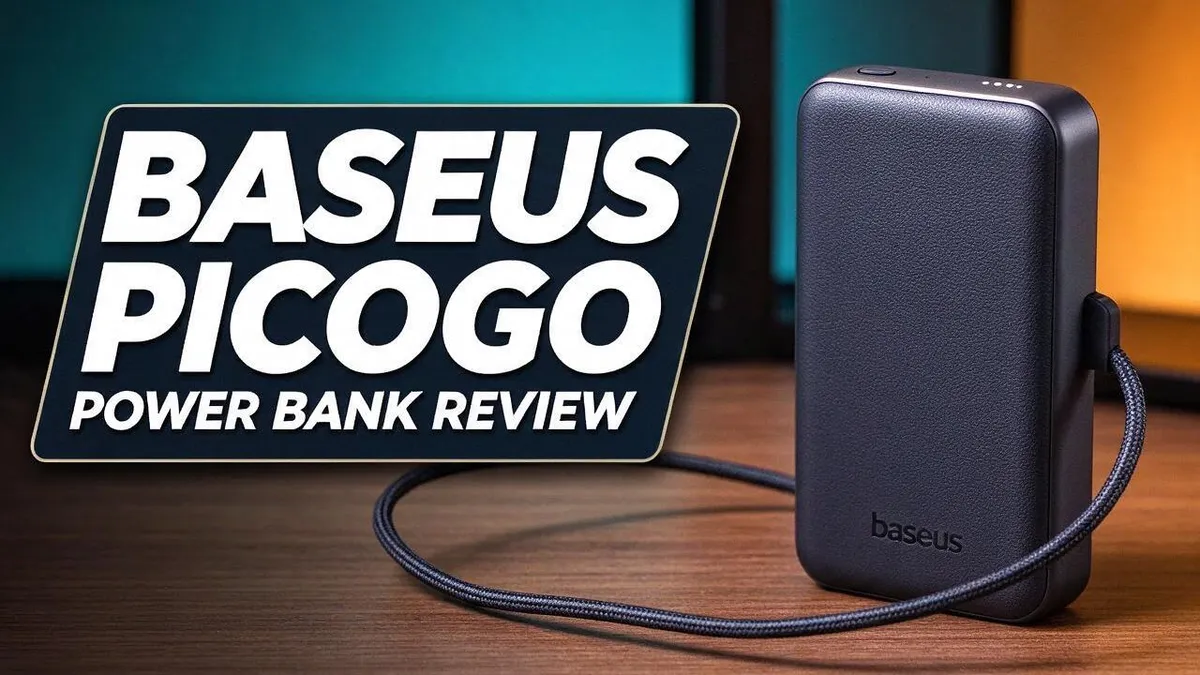
Baseus PicoGo brings together several models in one family. You can pick a magnetic Qi2 model, a slim metal design with MagSafe, or a 45W model with three ports. Each version aims to make charging simpler.
Many people want something small enough for a pocket. The PicoGo line fits that need well. It stays cool during use and feels easy to grip.
Ready to see if it fits your daily routine? This review covers the main models, the key features, and who should buy each one. Let’s dive in.
In a Nutshell
-
Wireless and wired in one: The PicoGo AM31 uses Qi2 magnetic charging and has a built in cable. You can skip carrying a separate lead on busy days.
-
Cool under pressure: Many users say the body stays cool to the touch while charging. It is also easy to grip, so handling feels comfortable and secure.
-
Pick the right fit: The Card model suits people who want wireless charging plus fast USB C. The Ultra Slim metal version works with MagSafe phones and adds handy LED lights.
-
Power for more devices: The 45W 10,000mAh model has three ports and 45W total output. It can charge several gadgets at once.
-
Speed with safety: Baseus highlights fast charging that stays safe for your devices. Less cable clutter also means a tidier bag every day.
-
Compare before you buy: Reviewers often pit this range against the UGREEN 25W. Looking at both helps you spot the better match for your daily routine.
Design and Pocket Portability

- 【Qi2.2 Certified & Ultra-Fast 25W Wireless Charging】Powered by official Qi2.2 certification, the Baseus...
- 【Versatile Charging Options】This versatile MagSafe power bank not only supports 25W max Qi2.2 wireless...
Last update on 2026-11-07 / Affiliate links / Images from Amazon Product Advertising API
Carrying a power bank should never feel like a chore. The PicoGo range focuses on a small and pocketable body.
Many people slip a power bank into a jacket pocket before they leave home. This habit only works when the device stays light and slim.
Size matters most when you carry gear all day. A compact body means less bulk against your hip or leg.
Each model feels light in the hand. You barely notice it sitting in a coat or trouser pocket.
Grip also plays a big role. The body is easy to grip, so you can pull it out without fumbling.
Tuck it into a bag and it takes up very little room. It sits easily beside your keys, notebook, and sunglasses.
Fewer loose cords mean a tidier bag. Less clutter also means less time hunting for the right cable.
Commuters often need a quick top up on a crowded train. A small body makes that easy in tight spaces.
Travelers can slide the bank into a small pouch beside their passport. Keeping everything in one spot saves time at airport gates.
Try a simple pocket test first. Hold the model in your hand and picture it in your usual pocket.
If it feels natural in your hand, it will likely travel well with you. You will barely think about it at all.
Weight plays a quiet role too. Light models feel comfortable during long walks, so the bank rarely becomes a burden.
A flat, slim shape also sits neatly in a pocket. It will not bulge or pull at your clothes.
Overall, the PicoGo range makes portability easy. You carry more power with less effort.
Small sizes also help when you share a charger with friends. Hand it over easily without digging through a heavy backpack. Everyone benefits from a bank that never gets in the way.
Charging Speed and Wireless Performance
Charging speed matters most when time runs short. A quick top up before a meeting can make a real difference. This section looks at how the PicoGo range handles wired and wireless charging in everyday use.
Magnets make wireless charging easier. The AM31 and the Ultra Slim metal model use magnets to snap onto the back of a compatible phone. You do not need to line up charging coils by hand. The phone stays in place during a walk or a bus ride.
Alignment has a big effect on wireless speed. A phone that sits off center may charge more slowly or stop charging for a moment. A magnetic lock helps keep the phone centered, so the connection stays steady.
Wireless charging usually trails wired charging in raw speed. Some energy turns into heat during the transfer, so the wire often wins when speed is the goal. The Card model gives you both options. You can place your phone on the pad for convenience or plug in the USB C cable when you need more power.
The newer Qi2 and Qi2.2 models follow updated standards. These standards aim for a more consistent power flow between the bank and your device. The Qi2 15W model focuses on a quicker wireless top up, which suits short breaks well.
The 45W 10,000mAh model shares its output across three ports. One fast device gets the most power. When two or three devices connect at once, the total output splits between them. Plan your charging order if you need the fastest result for one phone.
Try a simple charging test at home. Plug in your phone for ten minutes and note the battery percentage. Then repeat the test with the wireless pad. The gap between the two results shows how much speed you give up for convenience.
Your daily habits should guide your choice. Pick wireless charging when you want no cables and a tidy setup. Pick wired charging when you need the fastest top up before you head out the door.
Heat Management and Safety
Heat is the main thing to watch when you charge on the go. Every power bank turns some energy into warmth. Wireless charging adds a little more.
Heat builds up from two sides. The bank warms as it sends power out. Your phone warms as it takes power in.
Ventilation keeps things steady. Give the bank some open air while it works. Avoid soft surfaces like a bed, a sofa cushion, or a blanket, because they trap warmth.
Keep it away from direct sun. A car dashboard or a sunny windowsill can push the temperature up fast. Outside heat makes internal heat worse.
The AM31 lists advanced cooling among its features. That design helps the body shed warmth during longer sessions. Still, good habits matter just as much as hardware.
Watch for warning signs. Pay attention if the bank feels hot enough to be uncomfortable. Also watch for a phone that slows its charge or shows a heat warning.
Pause before you charge again. Unplug both devices and let them rest in a cool spot. Give them a few minutes before you start a new session.
Use a case with care. Thick cases can hold warmth against the back of a phone. Remove the case during fast wireless charging if the phone runs warm.
Check the bank after each use. A quick touch tells you a lot about how hard it worked. Make this check a small daily habit, and you will spot problems early.
Avoid charging overnight under pillows. Many people leave devices charging in bed. Place the bank on a hard, flat surface instead, where air can move freely.
Safe charging is a habit, not a single feature. Small steps like these protect your battery over time. They also help your gear last longer on busy days.
Top 3 Alternatives
Anker PowerCore 10000

- Slim Size, Big Power: One of the slimmest and lightest 10,000mAh portable chargers on the market. Provides...
- Lightweight and Compact: With its compact 5.99 × 2.81 × 0.61-inch size and weighing a mere 8.6 oz, it's...
Last update on 2026-07-01 / Affiliate links / Images from Amazon Product Advertising API
The Anker PowerCore 10000 is a compact power bank with a 10000mAh capacity. It fits easily in a backpack or pocket. Most smartphones get around two full charges from it. It supports fast charging, so your phone gains power quickly. It works with most phones, tablets, and earbuds.
It is a strong pick for daily commuters. Travelers also like its slim shape and simple design. It keeps your devices running all day long.
Anker Nano Power Bank

- Ultra-Slim Qi2-Compatible Magnetic Power Bank: At just 0.3 inches thin, this ultra-slim power bank suppots Qi...
- Enhanced Safety and Speed: Experience high-speed charging with enhanced safety. Qi2 MagSafe compatibility...
Last update on 2026-07-11 / Affiliate links / Images from Amazon Product Advertising API
The Anker Nano Power Bank suits people who want maximum portability. It is small enough to slip into a jacket pocket. The light build feels comfortable in the hand. It stays out of the way during workouts and walks.
This model works well for short trips and emergencies. It gives your phone a quick boost when you need it most. Keep it in your bag for unexpected battery drops.
Ugreen Nexode Power Bank

- 100W Fast Charging: This battery pack can quickly power multiple devices such as laptop and phone at the same...
- TFT Display: 20000 mAh power bank is equipped with an TFT display which can display real-time information such...
Last update on 2026-06-09 / Affiliate links / Images from Amazon Product Advertising API
The Ugreen Nexode Power Bank focuses on speed and multiple devices. It supports power delivery, so laptops and tablets can charge too. Several ports let you charge more than one gadget at once.
Gamers, students, and remote workers often choose this option. It handles heavier devices with ease. Its sturdy design and smart charging help protect your gear from overheating on busy days.
Models and Magnetic Compatibility
The Baseus PicoGo range includes several models. Each one suits a slightly different lifestyle. Knowing the lineup helps you choose the right fit.
The PicoGo AM31 offers a full package. It supports Qi2, uses magnets, and includes a built in cable. Fewer loose items means less to pack.
The Card model takes a simpler route. At 5,000mAh, it covers a quick boost for one phone. It adds fast wired charging for moments when magnets do not fit your setup.
The Ultra Slim metal model suits people who already use MagSafe. Its LED lights add a handy touch when you search for it in a dark bag.
The AM52 supports the newer Qi2.2 standard. Shoppers who want the latest wireless rules may prefer this option. The Qi2 15W model fits lighter daily use.
The 45W 10,000mAh model serves a busier crowd. Families or travelers with several gadgets often need three ports. Its total output of 45W keeps more devices running during long days.
Magnetic compatibility depends heavily on your phone. Some newer Android phones include Qi2 magnets. Many older phones need a case or ring with magnets built in.
Case thickness matters more than most people expect. A thick or metal backed case can weaken the magnetic hold. Thin cases labeled Qi2 usually keep the connection strong.
Test the hold with your own case before you commit. Hold the phone up and tilt it gently. If the bank stays put, the setup works well.
Magnets also help with desk use. A bank that stays attached to the phone works well for video calls or reading. You can prop the phone up and charge at the same time.
Wired backup matters too. Some setups will not line up perfectly with magnets. A cable keeps the power flowing when the magnetic link fails.
Overall, the model you choose should match your phone and your daily habits. Take a minute to check compatibility before you buy.
Battery Capacity and Port Options
Battery capacity tells you how much power the bank can hold. Higher numbers mean more charges before you need a wall outlet. A small bank works well for quick top ups. A larger bank suits long days away from home.
The Card model and the Ultra Slim metal model both hold 5,000mAh. That size fits a small bag or a coat pocket. It suits a commute, a flight, or a long afternoon out.
The 45W 10,000mAh model holds roughly double that energy. It suits people who travel with tablets, earbuds, or a second phone. It also works well on trips with no charging access.
Rated capacity is never fully usable. Some energy turns into heat when the bank converts power for your device. A 5,000mAh bank usually delivers less than its full number to your phone. Keep that loss in mind when you plan.
Count your devices before you decide. A single phone needs less capacity than a phone and a tablet together. Write down what you charge most often. Then match the bank to that list.
Port count shapes how the whole group charges. More ports let more gadgets power up at once. Fewer ports mean people take turns. Choose the layout that fits how you live.
Pack the right cables with the bank. A port works only when the matching cable fits it. A missing cable can leave a device waiting at the worst moment.
Refill speed matters too. A bank that recharges slowly needs a long wall session before each trip. Charge it overnight so it stays full for the morning. Fast refills mean less waiting and more freedom.
Check the port types before you travel. Newer port styles often handle newer phones and laptops best. Older devices may need an adapter, so keep one in your bag.
Pros and Cons
Pros
– Very compact and easy to slip into a pocket.
– Stays cool to the touch during normal use.
– The bank is easy to grip in one hand.
– It offers fast and safe charging for your devices.
– Built in cables and magnets cut down on cable clutter.
Cons
– Model names can confuse first time buyers.
– Few independent tests exist, so long term results remain unclear.
– Choosing a rival means doing extra research, since few direct comparisons are available.
Who Should Buy It
Commuters are a natural fit for this power bank. Daily trips on buses or trains often leave a phone running low by evening. A slim bank fits in a jacket pocket and keeps the phone awake for the ride home.
Students will also find it useful. Long study sessions in libraries rarely offer an outlet near a comfortable seat. A compact bank lets them charge without carrying a heavy block across campus.
Frequent travelers should pay close attention here. Airports, cafes, and waiting rooms often have only a few open sockets. Grabbing a bank from a bag and plugging in anywhere saves a lot of hassle.
Remote workers can benefit too. A phone that sits on a desk while they answer emails stays topped up without a tangle of wires. The workspace also looks tidier with fewer cables running across it.
Parents on road trips can use it as well. Kids love tablets, and those screens drain fast on long drives. A bank with enough ports to share power keeps everyone happy in the back seat.
Heavy users may need more power. People who rely on a laptop all day or charge several gadgets at once could run out quickly. In that case, the 10,000mAh model fits those needs better than the smaller options.
Shoppers who want proof over time should wait a little longer. Independent tests are still rare, so the long run picture stays unclear. Reading several fresh reviews before buying gives a clearer view of how the bank performs.
Gift shoppers may like it too. A neat, pocketable bank looks thoughtful under a tree and fits easily in a stocking.
Finally, match the model to your daily habits. Think about where you charge most and how many devices you carry. That simple check makes the choice far easier.
Final Verdict
The Baseus PicoGo earns a strong spot on your shortlist. It packs useful features into a small body. Most people will find it a sensible daily companion.
Here is the verdict. The lineup spans several models, so the right pick depends on your habits. Each version suits a slightly different style of use. Compare the models side by side with your own list of needs.
Start with your phone. Check whether it supports Qi2 or MagSafe before you commit. This quick step prevents a mismatch that could leave you frustrated.
Next, map out your typical day. A short commute needs a smaller reserve of power. A full day away from outlets calls for more stored energy. Match the bank to the trip, not the other way around.
Keep expectations realistic too. Real world results shift with cable quality, room temperature, and the device you charge. Treat the listed numbers as a helpful guide rather than a firm promise. A bank that performs well at home may behave differently on a crowded train.
Still, the overall picture looks encouraging. The design feels polished, the features feel practical, and daily use feels simple. Those qualities matter more than flashy extras for most buyers.
Some shoppers may want to test a few options first. Visit a store if possible and hold the models in your hand. A physical check reveals fit and feel better than any spec sheet.
My honest take: this power bank suits people who want a clean, simple setup. It fits anyone who values portability and dependable top ups. Buyers who need maximum output for demanding devices should explore higher wattage models first. Read the return policy before buying so you can test it safely.
Bottom line: this is a thoughtful match for everyday charging, as long as your expectations and devices line up.
Frequently Asked Questions
Which model fits a laptop best?
The 45W 10,000mAh model fits laptop users best. It has three ports and 45W total output, so it can share power across several devices. The smaller Card and slim models suit phones better.
Can I use wireless and cable charging on one model?
Yes, the Card model offers both options. It pairs Qi2 wireless charging with a fast USB C port. You can pick the method that works best at that moment.
Which model works with MagSafe phones?
The Ultra Slim metal model supports MagSafe. It also includes LED lights, which help you find the bank in dark spaces.
Which model supports the newest wireless standard?
The AM52 supports Qi2.2. Qi2 models use magnets to line up with your phone, which keeps wireless charging steady.
How do I choose the right model quickly?
Start with your phone type and how you charge it. Then count how many devices you need to power at once. Choose the model that solves your most common need, not the one with the longest feature list.

DK is a technology expert who specializes in AI tools, software, and tech gadgets. He writes for How to Tech Info, providing detailed reviews and practical guides. DK helps readers discover the best AI applications, navigate new software, and choose the right tech gadgets.