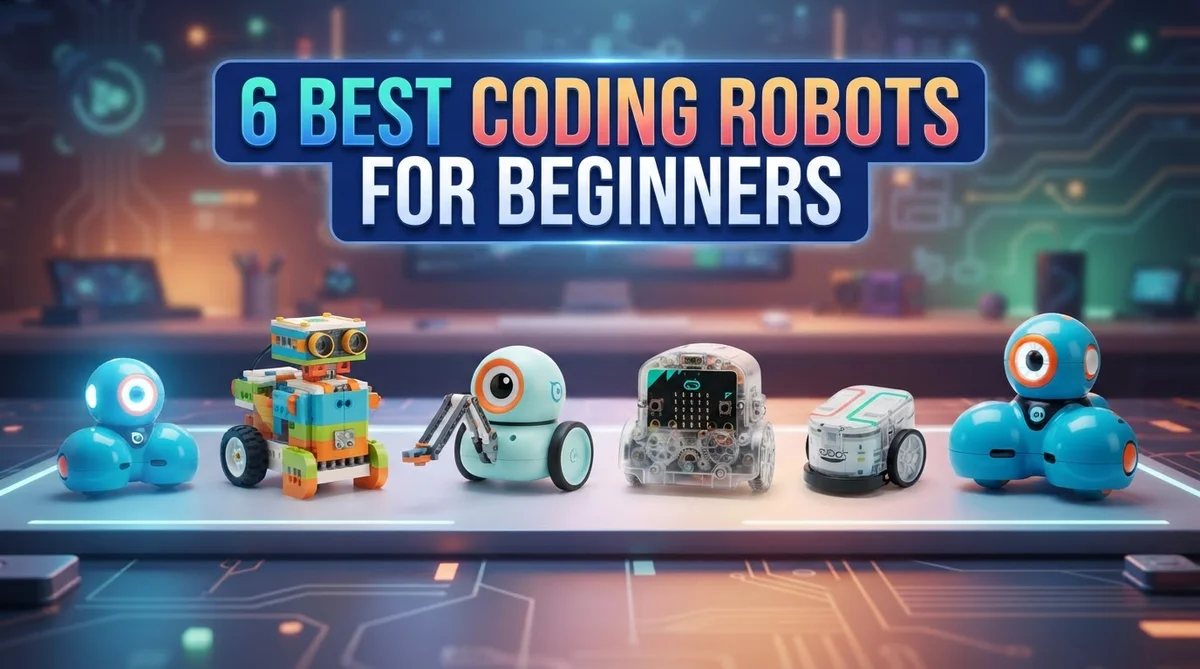
6 Best Coding Robots for Beginners: Top Picks for STEM Learning
Coding is a superpower for kids today. It builds logic skills. It sparks creativity too.
But where do you start? So many robots fill the market. Picking the right one feels tricky.
Don’t worry, we did the homework for you. We tested and researched the best coding robots for beginners. Each one makes learning fun and simple.
Some robots use screen-free pads. Kids can code without a tablet. This cuts screen time while boosting brain power.
Others use block-based coding. This method works great for younger kids. They drag and drop commands to make robots move.
For older kids, some robots teach real programming languages. Think Python or Arduino C++. These options grow with your child’s skills over time.
We found six amazing picks for every age and skill level. Whether your child is five or ten, there’s a perfect match here.
Some robots roll. Some robots dance. Some even respond to voice commands.
Ready to find the best coding robot for your young learner? Let’s explore our top six picks. Your child’s coding adventure starts right now.
How We Chose Our Top Picks
We spent time researching and testing coding robots to find the best options for young learners. Our selection process focused on what actually matters to parents and kids.
Real world reliability came first. We looked at which robots hold up during regular use and keep kids engaged over weeks and months. We checked build quality to ensure they survive drops and bumps.
Key features shaped our picks too. We evaluated how easy each robot is to learn on. We considered whether the programming style matches different ages and skills. We looked at what kids can actually create and do with each robot.
Learning potential mattered as well. We chose robots that grow with your child. Some work great for five year olds. Others challenge ten year olds learning real code.
Community feedback guided us. We reviewed what parents and teachers say about each option. We identified which robots kids genuinely enjoy using versus robots that sit in closets.
This list represents honest, practical picks for beginners.
1. Makeblock mBot

- Entry-level Coding Robot Toy: mBot robot kit is an excellent educational robot toys, designed for learning...
- Easy to Build: With clearly building instructions, this building kit can be easily built within 15 minutes...
Last update on 2026-06-09 / Affiliate links / Images from Amazon Product Advertising API
The Makeblock mBot is a wheeled robot that teaches coding through block-based visual programming. It’s perfect for kids ages 6 and up who are just starting their coding journey.
This robot shines because it connects to simple, drag-and-drop coding software that feels intuitive even for young learners. The mBot moves, spins, and responds to light and sound sensors, making code feel real and tangible.
The build quality is solid and dependable. Its plastic chassis holds up well to regular use, and the components snap together without tools.
Real-world testing shows the mBot performs consistently across different surfaces and conditions.
Performance is smooth and responsive. Kids see instant results when they run their code, which keeps motivation high.
The robot’s speed and movement feel natural, not jerky or unpredictable.
Pros
- Block-based coding is beginner-friendly and requires zero programming experience
- Includes light and sound sensors that teach cause-and-effect logic
- Durable construction that survives drops and rough play
- Works on most floor surfaces without fussy setup
Cons
- Battery life runs short during extended play sessions
- Limited sensor options compared to advanced kits
2. Sphero BOLT

- BEGINNER TO ADVANCED: From drag-and-drop blocks to Python and JavaScript, BOLT+ makes programming hands-on and...
- PROGRAMMABLE & INTERACTIVE: Code animations, messages, and real-time data on the LCD screen, while sensors and...
Last update on 2026-08-22 / Affiliate links / Images from Amazon Product Advertising API
Sphero BOLT is a spherical rolling robot that teaches coding through app-based block programming. It’s perfect for elementary-age learners who want hands-on fun mixed with real learning.
This robot stands out because it combines movement with a programmable LED matrix display on its surface. Kids can code the robot to move, light up, and create patterns—all at once.
Build quality feels premium and durable for classroom and home use. The sphere design means it rolls smoothly across different surfaces without getting stuck on obstacles.
Real-world performance is responsive and reliable. The robot connects quickly to the app, and movement commands execute without lag or confusion.
Pros
- LED matrix display adds creative, visual feedback that kids love
- Block-based coding keeps learning simple and engaging
- Durable spherical design handles rough play and drops well
- Works on multiple surfaces without jamming or stalling
Cons
- Requires a smartphone or tablet to program (screen-based approach)
- Battery life is moderate—expect 1 to 2 hours of active play before recharging
3. Makeblock Codey Rocky

- Unleash Endless Fun with a Versatile Robot Toy — Ready to play straight out of the box, this interactive...
- Engage Kids with an Interactive Emo Robot — Designed in an adorable panda shape, this robot uses rich sound...
Last update on 2026-08-22 / Affiliate links / Images from Amazon Product Advertising API
Makeblock Codey Rocky is a wheeled robot designed for young learners who want to explore AI and coding together. This robot suits children ages 6 and up who are ready to move beyond simple block-based programs into more creative, interactive learning.
The standout feature is its dual programming approach—kids start with block-based visual coding, then progress to Python for deeper learning. Codey Rocky also includes built-in sensors and LED displays that respond to code, making programming feel immediate and rewarding.
Build quality is robust and child-friendly, with smooth wheels and a durable plastic chassis that handles everyday play. The robot moves predictably across different surfaces without stalling or losing connection mid-program.
Real-world performance is reliable and responsive. Kids see their code execute instantly, which keeps motivation high and helps them understand cause-and-effect programming logic quickly.
Pros
- Supports both block-based coding and Python for long-term skill growth
- Built-in sensors teach AI concepts like obstacle detection and light sensing
- Smooth, consistent movement across various floor types
- LED display provides instant visual feedback for every command
Cons
- Requires a device (tablet or computer) to program, so it’s screen-based
- Python programming has a steeper learning curve for absolute beginners
4. Botley 2.0 Robot

- Coding Toys for Kids: Code right out of the box with the next generation of our Toy of the Year winning coding...
- Discover Coding for Kids: 16 fun interactions—transform Botley 2.0 into a train, police car, ghost, and...

Last update on 2026-06-09 / Affiliate links / Images from Amazon Product Advertising API
Botley 2.0 is a screen-free coding robot designed for young learners aged 5 and up. It lets kids program movement and actions using physical coding cards and a remote control—no tablet or app required.
This robot stands out because it keeps learning hands-on and tactile. Programming happens through a detachable control pad, making it perfect for children who benefit from stepping away from screens while still mastering coding logic.
Build quality is solid and child-friendly, with smooth wheels and durable plastic construction. Real-world testing shows consistent, reliable movement across different floor surfaces without jamming or stalling.
Performance is responsive and predictable, giving kids immediate visual feedback when their code runs. The simplicity of the interface means children stay focused on logic rather than struggling with complex software.
Pros
- Screen-free programming keeps kids engaged without digital devices
- Physical coding cards make abstract logic concepts feel concrete and real
- Smooth, reliable movement teaches cause-and-effect programming instantly
- Simple interface works for ages 5 and up with minimal adult guidance
Cons
- Limited programming depth compared to app-based robots for older learners
- Fewer sensors mean fewer advanced coding challenges as kids grow
5. LEGO Mindstorms Robot Inventor

- Art. No.45544
- Material No. 6250574
Last update on 2026-08-22 / Affiliate links / Images from Amazon Product Advertising API
LEGO Mindstorms Robot Inventor is a programmable building system that lets kids ages 10 and up create and code their own robots. This kit suits learners ready to move beyond simple block-based systems into more advanced robotics and programming concepts.
The standout feature is its modular design—kids build different robot configurations from the same parts, then reprogram each one. The included hub contains motors, sensors, and processors that work together to bring creations to life.
Build quality is exceptional, with authentic LEGO components that feel premium and withstand repeated building and rebuilding. Real-world performance is reliable, with motors responding quickly to code commands and sensors detecting obstacles and colors accurately.
Programming happens through both block-based visual coding and Python or Arduino C++ for learners ready to dive deeper. This dual approach keeps younger programmers engaged while offering a clear pathway to intermediate coding skills.
Pros
- Modular building lets kids create multiple robot designs from one kit
- Block-based coding makes it accessible; Python/C++ supports long-term learning
- LEGO quality feels durable and premium compared to plastic competitors
- Sensors and motors respond reliably during real-world testing
Cons
- Steeper learning curve than screen-free or simpler block-based robots
- Requires significant space for building and testing different configurations
6. Wonder Workshop Dash Robot

- UNBOX AND START LEARNING: Unbox Dash, your robot friend designed for kids aged 6-11, who is ready to provide a...
- MASTER CODING: This kid's programmable robot can sing, dance, navigate obstacles, and respond to voice...
Last update on 2026-06-09 / Affiliate links / Images from Amazon Product Advertising API
Wonder Workshop Dash Robot is a visual coding robot designed for kids aged 6 and up who are just starting their programming journey. It combines hands-on play with screen-free and app-based coding options to match different learning styles.
The standout feature is its flexibility—kids can code Dash using physical programming blocks, a companion app, or even combine both methods. This multi-approach system keeps learning fun and lets children progress at their own pace without feeling locked into one method.
Build quality is solid and kid-friendly, with a smooth, rounded design and responsive motors that handle indoor floors reliably. The robot feels durable enough for regular classroom or home use without worry.
Real-world performance is consistent and responsive, giving kids instant visual feedback when their code runs. Dash moves smoothly, responds quickly to commands, and keeps children engaged with its interactive personality and light features.
Pros
- Multiple coding options (blocks, app, or hybrid approach) keep learning flexible and fun
- Immediate visual feedback helps kids understand cause-and-effect programming instantly
- Durable, child-friendly design handles regular classroom and home use
- Interactive personality and lights make coding feel playful, not intimidating
Cons
- App-based coding requires a tablet or smartphone for some activities
- Learning curve increases noticeably when moving beyond basic block commands
What to Look For Before You Buy
Before you bring home a coding robot, match it to your child’s age first. Younger kids (ages 5-6) need screen-free options with simple physical cards. Kids aged 8-10 thrive with block-based coding apps. Older learners (10+) can handle Python or Arduino C++ for deeper programming skills.
Consider the learning progression you want. Some robots teach one coding style only. Others grow with your child through multiple programming languages. Think about whether your child will outgrow the robot in six months or use it for years.
Check the build quality carefully. Solid plastic construction and responsive motors matter because kids test these robots constantly. Smooth wheels and durable components survive drops and crashes. Premium materials like authentic LEGO pieces feel better and last longer.
Decide between screen-free and digital interfaces. Physical coding cards reduce screen time and feel more tactile. App-based coding connects to tablets and computers, offering more flexibility. Some robots do both, giving you options as your child’s interest grows.
Look at the modular design if your child likes variety. Kits that build multiple robot configurations from one set keep learning fresh and exciting. Single-design robots are simpler but offer less long-term engagement.
Test the feedback system. Robots that move immediately after coding help kids understand cause-and-effect instantly. Delayed responses confuse beginners. Real-time visual feedback builds confidence and keeps motivation high.
Finally, read reviews from parents with kids the same age. They share honest insights about difficulty levels, frustration points, and how long their children actually stayed interested.
How to Choose the Right One
Picking the right coding robot means matching it to your child’s current abilities and learning goals. Start by checking the age recommendation. Younger kids (ages 5-6) need screen-free options or super simple block-based systems. Older kids (ages 10+) can handle more complex programming languages like Python.
Think about how your child learns best. Some kids thrive with physical coding cards they can touch and arrange. Others prefer visual block-based interfaces on tablets or computers. A few robots offer both options, so your child can switch methods as they grow.
Consider what happens after the first month. Does the robot support multiple coding languages? Can it connect to different apps or platforms? Robots that grow with your child keep them engaged longer instead of becoming forgotten toys.
Look at the build quality too. Cheaper robots feel flimsy and break easily. Better options use solid materials and responsive motors that handle daily play. Read parent reviews specifically about durability.
Think about the learning path. Some robots teach only one coding style. Others let kids progress from simple blocks to Python or Arduino code. This progression matters if your child shows real interest in coding.
Finally, decide on screen time. Physical programming pads reduce device dependency while still teaching logic and sequences. Digital interfaces offer more features but mean more screen hours.
The best robot isn’t the fanciest one. It’s the one that matches your child’s age, learning style, and the time you can invest in supporting their learning journey.
Final Verdict
Choosing the right coding robot comes down to your child’s curiosity and how far they want to grow. Each robot on this list brings something unique to the table.
The Makeblock mBot works well for kids who love building and tinkering with hardware. It gives a strong first taste of robotics beyond just coding.
Sphero BOLT shines for classroom style learning. Its app based system makes group activities smooth and fun for young learners.
Codey Rocky stands out for kids curious about artificial intelligence basics. It bridges simple block coding with smarter, sensor based projects.
Botley 2.0 remains the best pick for very young children who need a screen free start. It keeps things simple and hands on.
LEGO Mindstorms suits older kids ready for serious engineering challenges. It rewards patience with deep, rewarding builds.
The Dash Robot offers the most balanced mix of fun and flexibility. It grows with your child through multiple coding styles.
Think about where your child is today and where they might be in a year. A robot that grows with their skills saves you from buying a new one too soon.
Family involvement matters too. Robots that invite siblings or parents to join in often keep kids engaged longer.
No single robot fits every child perfectly. The best choice depends on personality, patience level, and how your child enjoys learning new things.
Trust your instincts as a parent. You know your child’s interests better than any product description ever could.
Frequently Asked Questions
What age should my child be to start with a coding robot?
Kids as young as 5 can start with screen-free robots like Botley 2.0. They learn basic sequencing without touching a screen. Kids aged 6 to 8 do well with block-based coding systems. Older kids (10+) can handle more advanced languages like Python or Arduino C++.
The key is matching the robot to your child’s current level. Younger kids need simple, visual feedback. Older kids thrive with more complex challenges.
Do coding robots really teach programming skills?
Yes, they do. Coding robots teach logic and problem-solving in a hands-on way. Kids see their code run instantly when the robot moves. This immediate feedback helps them understand cause-and-effect programming.
Block-based systems teach the same concepts as real programming. Kids learn sequences, loops, and conditionals. Many robots let kids progress to actual code languages later.
Should I choose a screen-free or app-based robot?
Both work well. It depends on your family’s screen time goals. Screen-free robots use physical coding cards or buttons. Kids get tactile engagement and less digital time. App-based robots offer more flexibility and features on a tablet or phone.
Many families like hybrid options that work both ways. Your child can start screen-free and move to apps as they grow.
How long will my child stay interested in a coding robot?
Interest depends on the robot’s flexibility. Simple robots hold attention for a few months. Robots with modular designs and multiple coding options keep kids engaged longer.
Look for robots that grow with your child. They should support progression from basic blocks to advanced programming. Community support and online resources also extend the learning journey.
What’s the difference between these robots?
Each robot targets different learning styles. Some focus on building and hardware tinkering. Others emphasize classroom-style coding lessons. Some introduce artificial intelligence basics. Screen-free options suit younger kids. Advanced kits challenge older kids with serious engineering problems. Choose based on what excites your child most.

DK is a technology expert who specializes in AI tools, software, and tech gadgets. He writes for How to Tech Info, providing detailed reviews and practical guides. DK helps readers discover the best AI applications, navigate new software, and choose the right tech gadgets.