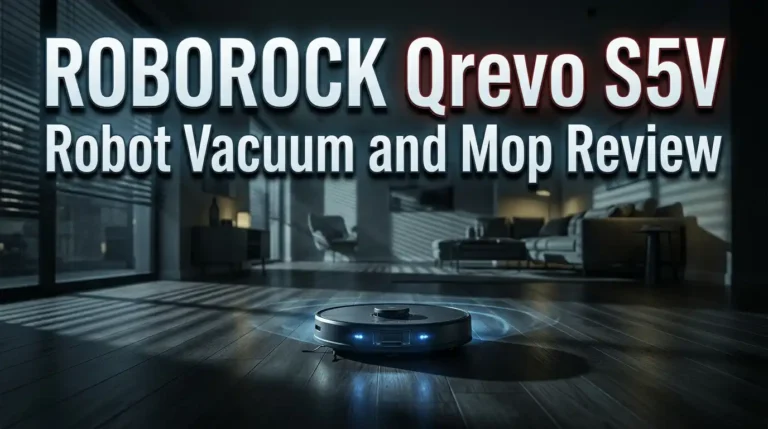
3 Best Robot Assistants for Home Use: Smarter Living
Imagine a home where chores almost clean themselves—sounds ideal, right? The best robot assistants today do more than just vacuum; they map your space with LiDAR tech, self-empty intelligently, and integrate seamlessly with your smart devices, all while handling stubborn pet hair or thick carpets without breaking a sweat. Whether you prefer a vacuum-mop combo or a dedicated smart hub, choosing the right mix can transform daily routines—yet, with so many options, making the perfect pick isn’t always straightforward.
X7 Robot Vacuum and Mop Combo, 5000 Pa, Smart Mapping, Alexa & Google Home Compatible

- 5000PA Powerful Suction: The robot vacuum boasts a 5000PA suction capability, effortlessly removing pet hair...
- 160 Min Runtime: Powered by a high-capacity 2300mAh lithium-ion battery, the robot vacuum delivers an...
Last update on 2026-06-09 / Affiliate links / Images from Amazon Product Advertising API
If you want a robot vacuum that does more than just clean the floor, the X7 Robot Vacuum and Mop Combo is a good pick. It has a strong 5000 Pa suction, so it can pick up pet hair, dust, and crumbs on hard floors and low carpets. When it finds carpets, it switches to MAX mode for a deeper clean.
The robot uses LiDAR navigation to quickly map your home. It remembers multiple layouts and finds the best way to clean. You can also set no-go zones, so it avoids areas you don’t want cleaned.
You can control the X7 with your voice by using Alexa or Google Home. Just ask it to start cleaning or schedule a clean time. It makes keeping your home clean easier and hands-free.
Best For: People who want a powerful, smart robot that cleans well with little help.
Pros:
- Strong 5000 Pa suction cleans pet hair, dust, and crumbs easily.
- Smart mapping keeps its route efficient and avoids certain areas.
- Works with Alexa and Google Home for easy voice control.
Cons:
- The battery is big, but it might still need a recharge on larger jobs.
- The mop might not clean sticky or really dirty surfaces perfectly.
- Some people find setting up the map and app a little tricky at first.
Roborock Q7 M5+ Robot Vacuum and Mop with Self-Empty, 10,000Pa Suction, Anti-Tangle System, LiDAR Navigation, App Control

- 7-Weeks Hands Free Cleaning: With a 2.7L sealed dust bag, the RockDock Plus efficiently collects pet hair...
- 10000Pa HyperForce Suction Power: High-performance suction lifts pet hair and debris from every surface...
Last update on 2026-06-09 / Affiliate links / Images from Amazon Product Advertising API
The Roborock Q7 M5+ is a great vacuum for people who want an easy-to-use cleaning robot. It can empty itself automatically, so you don’t have to change the bag often. The bag holds 2.7 liters of dust, which means it can run for up to seven weeks before needing to be emptied.
This vacuum has strong suction power of 10,000 Pa. It easily picks up dirt, pet hair, and debris on all types of floors. It also has a feature that stops long hair from getting wrapped around the brush, making cleaning less of a hassle.
The robot uses LiDAR technology to map your home. It creates a clear map and plans the best cleaning route. You can control and change its schedule using an app on your phone. This makes cleaning simple and flexible.
Best For: People who want low-maintenance, powerful cleaning robot, especially pet owners.
Pros:
- Self-empties for up to seven weeks with a large dust bag
- Very strong suction to pick up pet hair and dirt
- Stops long hair from tangling around the brush
Cons:
- It costs more than basic vacuum robots
- You need Wi-Fi and a phone app to use all features, which can be tricky for some
- The big dust bag can be messier to dispose of when full
This vacuum is a good choice if you want less work and a robot with strong cleaning power that moves around your home smartly.
Home Assistant Green Smart Home Hub

- 💡 EASIEST WAY TO GET STARTED WITH HOME ASSISTANT - With Home Assistant already installed, it only requires...
- ✅ OFFICIAL - This official Home Assistant hardware is built and supported by Nabu Casa, the team driving the...
Last update on 2026-06-09 / Affiliate links / Images from Amazon Product Advertising API
The Home Assistant Green Smart Home Hub is great for people who want a smart home that works best without relying on the internet all the time. It keeps control local, which means faster responses and more privacy. The hub is small—just 4.41 inches square—and has a sleek, quiet design. It looks good and fits well in any room. Inside, it has a fast quad-core processor, 32GB of storage, and 4GB of RAM. This makes your smart devices respond quickly and work smoothly together. Setting it up is easy—just plug in the Ethernet and Power cords. It supports many brands and types of devices. It also has USB ports to add more gadgets if needed. Plus, your data stays safe with secure storage.
Best For: People who want a reliable, local smart home hub that is easy to set up and makes all their smart devices work together smoothly.
Pros:
- Works locally, so it responds fast and keeps your data private.
- Small and quiet, so it doesn’t make noise or take up much space.
- Can connect to many different devices and expand with USB ports.
Cons:
- Costs more than basic hubs.
- You might need extra antennas or USB hubs to connect more types of devices.
- Some advanced features may be a little hard for beginners to use.
The Home Assistant Green Hub is a simple, reliable choice for a smart home. It keeps things running smoothly, quickly, and safely.
Factors to Consider When Choosing Robot Assistants for Home Use
When choosing a robot assistant for your home, you’ll want to contemplate its cleaning capabilities, battery life, and how well it navigates your space—think of it as finding a robot that can really get around your cluttered living room. Smart home compatibility is also key, so your new gadget can sync seamlessly with your existing devices, making your life smoother, not more complicated. And don’t forget obstacle avoidance; a robot that crashes into furniture repeatedly isn’t just annoying—it could also cause damage, so look for one with precise sensors that help it sidestep obstacles like a pro.
Cleaning Capabilities
When you compare robot helpers for cleaning your home, think about how well they clean. Look at how strong their suction is. It’s measured in Pascals (Pa). The higher the number, the better they clean. This is especially useful to pick up pet hair or dirt that’s stuck in the carpet. Some robots can vacuum and mop at the same time. That gives your floors a deep cleaning in one go. Good robots also see obstacles clearly. They can go around furniture and avoid breaking or hurting delicate things. Battery life is important too. It should last long enough for the robot to clean your whole house in one run. Some robots let you choose cleaning modes. You can target certain spots or keep fragile areas safe. This way, your floors get cleaned exactly how you want.
Battery Duration
Having a robot help with cleaning is great. But it only works well if it doesn’t run out of power. Battery life is important. You want a robot that can clean your whole home without stopping to recharge. Most good robots last between 1 to 3 hours. The longer they run, the better they do. Some models have a recharge and resume feature. That means the robot can go back to the dock, recharge, and then finish cleaning. This saves time and keeps your home clean.
Battery life can get worse over time. The battery wears out and doesn’t last as long. This makes you need to replace it sooner. Picking a robot with a strong, reliable battery helps it work well for a long time. This way, your robot will stay useful, and you won’t need to buy a new one too soon.
Navigation Precision
Finding your home easily is really important for a robot helper. That’s where good navigation comes in. The sensors, like LiDAR, infrared, or ultrasonic, help the robot see its surroundings. Better sensors mean the robot can make detailed maps of your home, find the best cleaning path, and avoid missing spots. Think of it like giving your robot a better GPS. When the robot knows what’s around it, it can avoid bumping into things, which prevents damage and frustration.
Features like no-go zones, cleaning multiple rooms, and focusing on specific areas need up-to-date maps. The robot updates its map as your furniture moves or if clutter appears. The smarter the navigation system, the smoother the robot works. It cleans better, makes fewer mistakes, and runs more quietly. Good navigation helps keep your home clean and your robot happy.
Smart Home Compatibility
When you pick a robot helper for your home, make sure it works well with your existing smart devices. You want easy voice commands and smooth automation. So, check if it supports popular systems like Alexa, Google Home, or Apple HomeKit. These help your robot understand and work with your lights, thermostats, and other gadgets.
Look for support for protocols like Z-Wave, Zigbee, or Matter. These help your devices connect better and make your smart home more useful. Also, see if it can connect to hubs like Home Assistant Green. These hubs let you control everything in one place, so you don’t need many apps.
It’s also good if the robot can be controlled from a phone app or remotely. This way, you can set it up and check on it anywhere—whether you’re at home or out running errands. Finally, check how often the company updates the robot’s software. Regular updates keep everything working well and help your robot stay compatible with new smart gadgets.
Obstacle Avoidance
Obstacles are common in your home. A robot helper needs good obstacle detection to work well. These robots use sensors like infrared, ultrasonic, or LiDAR. These sensors help the robot “see” objects in real time. Some robots combine multiple sensors to get a better view. They can spot furniture, pets, and people nearby. The better the sensors, the less the robot bumps into things. When it finds an obstacle, it slows down or moves around it. This keeps cleaning smooth and prevents damage. Updating the robot’s software helps it handle new furniture or clutter better. This way, your robot stays smart and works safely around your home.
Maintenance Ease
Choosing a robot helper that’s easy to take care of can save you a lot of trouble. Pick models with self-emptying dust bins or automatic trash disposal. These make trash removal cleaner and faster. Make sure filters and brushes are easy to reach, clean, or replace. Some robots even have lights or phone alerts to tell you when it’s time for maintenance. Anti-tangle systems help keep hair and fibers out of the brushes, saving you time. Also, look for robots that get software updates easily and come with good customer support. Simple maintenance means you spend less time fixing and more time enjoying your clean space.
App Control Features
Controlling your robot helper is simple. You can do it from your phone or tablet. With a good app, you can turn your robot on, pause it, or change cleaning plans easily. You can set no-go zones so your robot avoids certain areas. The app also shows maps of your space and updates you in real time.
If you have Alexa or Google Home, you can talk to control your robot. Just ask it to start cleaning when your hands are busy. The connection between your robot and your app stays strong. The app updates often to keep things running smoothly. It makes controlling your robot easy and safe.
Good app design puts all controls right at your fingertips. This makes cleaning faster and your home smarter.
Price and Value
When you look at robot helpers for your home, the price is usually the first thing you see. But don’t stop there. Think about what the robot can do for you. Does it save you time or make chores easier? Sometimes, paying more at first for a better robot can save money later. A more expensive model might last longer and work better. Compare prices from different brands with similar features. Make sure you get a good deal. Also, remember that you might need to pay for repairs, parts, or updates. Spending a little extra money now can mean fewer problems later. It can keep the robot working well for a long time. The goal is to find a robot that offers a good mix of price, features, and long-lasting value.
FAQs
How Secure Is Data Privacy With These Robot Assistants?
Data privacy with robot assistants varies; many use encryption and strict security protocols. Still, you should regularly update firmware, review privacy settings, and be cautious about sharing sensitive information to guarantee your data remains protected.
Do Robot Assistants Require Professional Installation?
Robot assistants typically don’t require professional installation; most are designed for easy setup by users. You simply follow manufacturer instructions, connect to Wi-Fi, and sync your devices, making integration quick and straightforward for most households.
Can Robot Assistants Be Used for Home Security Purposes?
Yes, robot assistants can enhance your home security by monitoring for suspicious activity, integrating with cameras and alarms, and providing real-time alerts, helping you stay protected and in control without needing professional installation or complex setups.
What Is the Typical Lifespan of These Robot Devices?
Robot assistants generally last between 3 to 7 years, depending on usage, maintenance, and model quality. To extend their lifespan, you should regularly update software, keep them clean, and handle hardware carefully, ensuring peak performance over time.
How Energy-Efficient Are Modern Robot Assistants?
Modern robot assistants are quite energy-efficient, often consuming minimal power thanks to advanced power management features. You’ll find they use less energy than traditional appliances, helping you save on electricity bills while maintaining smart home convenience.

DK is a technology expert who specializes in AI tools, software, and tech gadgets. He writes for How to Tech Info, providing detailed reviews and practical guides. DK helps readers discover the best AI applications, navigate new software, and choose the right tech gadgets.