
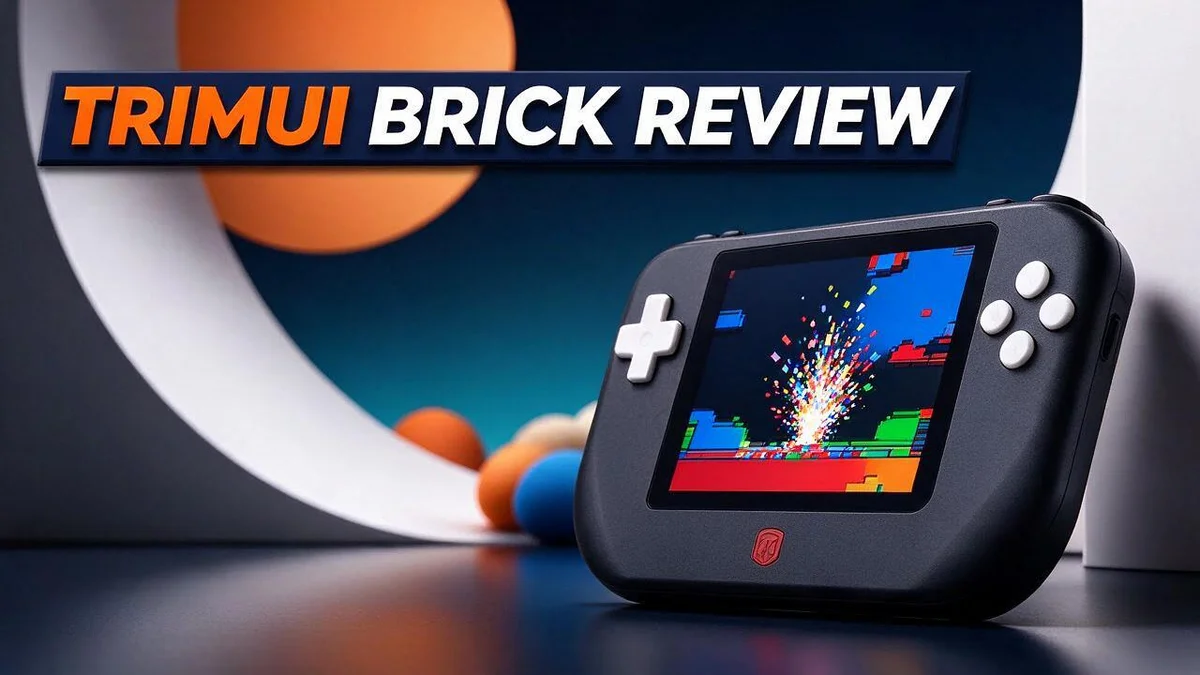
Trimui Brick Review: Is This Vertical Retro Handheld With Dual Sticks Worth It?
Looking for a handheld that fits in your pocket and plays classic games well? The Trimui Brick might be the one. It is a vertical handheld with a sharp 1024×768 screen and dual analog joysticks.
Its compact body feels light and comfortable in your hands. Inside, a large battery keeps you playing for hours. It runs a custom Crossmix OS that handles most retro emulation with ease.
Many gamers compare it with rivals like the Trimui Brick Pro and the Miyoo Mini Plus. This review covers the screen, build, controls, and real world performance. You will get a clear picture of whether this device suits your play style.
In a Nutshell
- Sharp display: The 1024×768 screen looks crisp for such a small device. Classic games look clean, bright, and vivid during long play sessions on the go.
- Two analog sticks: Dual joysticks make the Brick a strong pick for 3D retro titles. Many rivals, such as the Miyoo Mini Plus, skip sticks entirely.
- Solid build quality: The frame feels sturdy even though it is small and light. You can carry it every day without worrying about loose parts or flimsy plastic.
- Strong emulation power: It handles most retro systems with ease. Your favorite older games run smoothly from the first level to the final credits.
- Custom Crossmix OS: The custom software gives the device its own personality. It sets the Brick apart from many other handhelds on the market.
- Big battery life: The large battery keeps the fun going through long trips. You can play for hours before you need to search for a charger.
In short, the Trimui Brick offers a sharp screen, a solid build, and strong retro performance in a tiny package.
Design and Build

- Open-Source Linux Gaming Console – Powered by Linux 4.9 with TRIMUI OSD interface, this handheld supports...
- Stunning 3.95″ IPS Fully Laminated Display – 1024×768 resolution with 324 PPI delivers sharp, vibrant...
Last update on 2026-11-22 / Affiliate links / Images from Amazon Product Advertising API
Picking up the Trimui Brick feels different from most handhelds. Its vertical shape sits naturally in both hands, so you can play for a while without shifting your grip.
Your thumbs rest right on the controls. The face buttons and joysticks sit within easy reach. This layout keeps your hands relaxed during longer sessions.
The shoulder buttons sit along the top edge. They respond with a clear click, which helps during fast moments. Each press feels deliberate rather than mushy.
The grip curves gently along the sides. Your fingers settle into place without much effort.
Button spacing matters more than many people expect. Crowded controls often cause mistakes, especially during action games. The Brick gives each input enough room to breathe.
The directional pad deserves attention too. It sits beside the left stick with clear separation. Fighting game fans will want to test it.
The screen sits centered above the controls. Your eyes stay in one place while your thumbs do the work.
Holding it upright also keeps things simple on a desk. Its stance makes the screen easy to see from across the table.
The metal Hammer version offers a different feel. Its metal shell changes the look and texture for players who want something new.
Compared with the 3.5 inch Miyoo Mini Plus and RG35XX series, the Brick feels more substantial. Those rivals skip analog sticks entirely. The extra room gives the Brick a more traditional controller layout.
Smaller hands may find the device easy to manage. Larger hands might need a moment to adjust to the narrow frame.
Long play sessions reveal design flaws quickly. This handheld holds up well over time. You can keep it in your hands for an hour without fatigue.
In short, the Trimui Brick balances shape, button spacing, and grip in a smart way. Players who value real control will feel right at home.
Display and Controls
Vertical design changes how games feel. Most players hold a handheld sideways. The Brick asks you to rethink your grip and posture. Your eyes move up and down the screen, which suits vertical shooters and classic action titles very well.
The screen feels roomy for its size. It looks bigger than 3.5 inch rivals like the Miyoo Mini Plus and RG35XX series. Games feel less cramped, and small sprites are easier to read during busy scenes.
Button spacing shapes long sessions. Short play sounds fine on any layout. Hours of play reveal whether your thumbs stay relaxed or start to cramp. Take a moment to notice how your hands settle into position.
Match the controls to the game. Use the analog sticks for 3D titles that need precise aiming. Switch to the directional pad for classic 2D platformers and fighting games. Once you learn the layout, changing between them feels natural.
Test the feel before you commit. Hold the device for several minutes. Press every button and watch how the screen responds during fast movement. Your own hands will tell you more than any spec sheet can.
Who gets the most out of this setup? Players who want a clear view and a full set of controls will likely enjoy it. Casual players who prefer a lighter, flatter device may miss the upright design. Think about your favorite genres first, then decide if this layout fits your style.
Emulation Performance and Crossmix OS
Emulation performance is where the Trimui Brick earns its keep. Most players care less about spec sheets and more about how games actually run.
Start by testing your most demanding systems first. Older consoles usually run smoothly, but heavier titles show how much power the device truly has.
Performance also depends on settings. Many emulators offer scaling and frame options, so adjust them one at a time. This way, you can see exactly what changes.
Crossmix OS handles the software side of the experience. Its menus appear every time you power on, so they should feel quick and easy to read.
Crossmix works differently from the Trimui Brick Pro, which runs Linux. If you plan to upgrade later, expect a short learning curve with system folders and setup steps.
The Trimui Smart Pro uses a different operating system, too. Owning more than one Trimui device means learning separate menus and settings. Write down the settings that work for each game.
Save files deserve extra attention. Back up your save data often, especially before you update the operating system. Losing progress hurts far more than any slowdown.
Pay attention to how fast games load after you select them. Quick loading keeps short sessions fun and makes the device feel responsive.
Battery drain can change with demanding games. Heavy titles push the processor harder, so keep an eye on your charge during long sessions.
Consider using a microSD card with plenty of space. Large game libraries fill storage quickly, so pick a card that gives you room to grow.
Finally, compare results with friends who own similar devices. Shared tips can save time and help you find the best settings faster.
Bottom line: the Brick handles most retro systems with ease, and Crossmix keeps the experience focused. Test a few favorite games before you commit to a long play routine.
Top 3 Alternatives
Anbernic RG35XX Plus
No products found.
Retro gaming fans often start with this handheld. The Anbernic RG35XX Plus has a bright screen and a comfortable shell that fits well in your hands. It runs many classic systems with ease, so you can jump into old favorites fast. Its buttons feel responsive, which helps during quick action games. Players who want a simple, fun device will enjoy how fast it turns on and gets you playing.
Miyoo Mini Plus

- Compatible with multi retro game: Miyoo mini plus support dozens of emulation multi classic game, support open...
- Immersive experience: Stereo sound effects, 3.5'' IPS screen; Linux optimized game system with higher running...
Last update on 2026-11-06 / Affiliate links / Images from Amazon Product Advertising API
This handheld looks like a small retro console from the past. It packs a sharp display and smooth controls into a compact body. Battery life is a strong point, so you can play for hours on a single charge. Many gamers call it a favorite for play on the go during trips or lazy weekends. The menus are clean and easy to use, even for new players.
Powkiddy RGB20S

- 🎮【Customized Professional System】With the exclusive ArkOS Linux system, English default settings and...
- 🎮【Rich Game Types】Built-in 16G memory, equipped with 64GB memory game card and preloaded 15,000 classic...
Last update on 2026-11-22 / Affiliate links / Images from Amazon Product Advertising API
The RGB20S offers a clear, colorful screen that makes classic games pop. Its light frame is easy to carry in a bag or jacket pocket. It supports a wide range of retro systems, giving you plenty of choices. Beginners often find the setup simple, so they can start playing without long delays. It is a great pick for anyone who wants variety in one small device.
Battery Life and Endurance
Battery life shapes how you play. A long session feels great until the power runs low. The Trimui Brick includes a large battery, so it starts with a strong advantage.
Brightness changes everything. A dimmer screen saves energy and still looks clear at this size. Lower the level during indoor sessions. Raise it only when sunlight hits the display.
Pause instead of shutting off. Short breaks help more than you expect. Test the sleep option before a long trip so you know how it behaves.
Start every outing fully charged. Fresh power gives you more room for surprises. Avoid storing the device empty for weeks, since deep discharge can wear the battery over time.
Pack a small power bank. Long trips call for extra power. Many power banks can top up the device during a train ride or flight.
Keep the device cool. Direct sunlight and warm rooms can make the battery work harder. Let it cool down if it feels hot to the touch.
Track your own session lengths. Write down how long each full charge lasts during normal play. Compare your notes after a week to spot patterns.
Plan sessions around your power. Keep a charger nearby on busy days. Matching play time to your battery makes every charge count.
Watch the standby drain. A device left turned on can lose charge while you do other things. Power it off completely when you finish for the day.
Choose wired play for marathons. Plugging in during long sessions helps keep the battery topped up. Use a cable that delivers steady power for the best results.
Sound uses extra energy too. Turning the volume down can stretch each charge. Headphones keep the sound clear while you save power.
Good habits pay off. Small changes turn a solid battery into a reliable companion for trips and quiet evenings.
Price and Value
Value often comes from how much you use a device. Think about the games you play each week. One handheld can replace a pile of older gadgets.
The dual analog joysticks matter here. Many small handhelds skip sticks, so players often need extra gear for certain games. This model brings that control built in.
Build quality adds to the long term picture. The frame feels solid even though it is small and light. A device that handles daily carrying without fuss keeps earning its place.
The metal Hammer variant takes durability a step further. It suits people who toss a device into a bag every day. Shell choice is a personal call.
Frequent travelers gain the most from a compact body. It slips into a jacket pocket or a small bag. It takes up little room on a crowded trip.
Think about the games first. Your favorite library should guide your choice more than any spec list. A device that runs the systems you love gives more enjoyment per hour.
Players who want a different platform can look at the Trimui Brick Pro or the Smart Pro line. Compare them side by side before you commit.
Setup time counts as part of the experience. Copying game files and sorting folders takes patience at first. Once everything sits in order, the device feels ready to go. A tidy library is much easier to browse.
Think of value as enjoyment per hour. A device you reach for often earns its place. Rarely used gear collects dust, no matter how good it looks.
Gift shoppers also find it useful. A clear screen and full controls make it an easy pick for a retro fan.
Your own play style decides the answer. Pick the device that fits your habits, and it will feel like a smart choice for a long time.
Pros and Cons
Pros
– Sharp screen for its size makes classic games look crisp.
– Powerful enough for most retro emulation.
– A comfortable grip keeps your hands relaxed during long sessions.
– A good match for players who mostly enjoy older consoles.
Cons
– The vertical shape feels unusual for players used to horizontal handhelds.
– Modern titles are out of reach, so it suits retro fans best.
– The research did not list any major drawbacks, so testing it in person helps.
Who Should Buy It
Not every gamer needs this handheld, but several groups will enjoy it. Knowing where you fit makes the choice easier.
New handheld players make a strong match. The button layout feels familiar once you learn it. Beginners can explore retro play without feeling overwhelmed.
Owners of 3.5 inch models may want more control. The Miyoo Mini Plus and RG35XX series skip analog sticks. Players who want two sticks have a clear reason to upgrade.
Tinkerers who enjoy customizing software should feel right at home. The custom Crossmix OS invites exploration. Hobbyists often enjoy testing settings and trying new options.
Collectors with a growing lineup can add a distinct piece. Its vertical shape stands apart from horizontal handhelds on a shelf. Each unit becomes a conversation starter.
Gift shoppers should plan ahead. A retro fan will appreciate this handheld most when the basics are already in place. Take a few minutes to learn how the menus work before wrapping it.
Friends who trade games can bond over this handheld. Sharing tips about layouts and settings makes the hobby more social. Local groups often swap advice online.
Readers who follow the community will find plenty of support. Forums and subreddits discuss this model often. Community answers help newcomers solve common problems quickly.
Buyers who want a small footprint above all else should look closely. Unnamed 4 inch handhelds offer more room in the hand. This model stays compact, which suits people who carry their gear everywhere.
Shoppers who want instant results may feel frustrated. Every new setup takes some patience. A ready to play console might suit that goal better.
Smart buyers compare every option first. Watching demos from real owners gives a clearer picture of daily use. Reading several honest reviews helps you spot what matters most to you.
In short, this handheld suits curious beginners, stick fans, and tinkerers. Players who need the newest titles or the quickest setup should explore other choices.
Final Verdict
The Trimui Brick earns a strong spot among retro handhelds. It pairs a crisp screen with analog sticks in a body that fits almost anywhere. Most fans will walk away pleased.
Retro lovers should feel confident about this choice. Classic games look and play well on it. Those chasing newer releases should look elsewhere.
Who should say yes? Fans of older consoles get the most from this device. Collectors who enjoy unusual designs will also find it appealing.
Who should pass? Players who want a bigger play area may feel cramped. Anyone who needs a huge modern library will hit limits fast.
Get a good memory card first. Storage fills up quickly once you add a few systems. Pick a card with enough room from the start, so you never stop midway through a session.
Battery life makes it a smart travel partner. A full charge can carry you through a long train ride or an overnight flight. Pack a basic USB cable, so you can top up at most outlets.
Add a simple pouch for protection. A soft case keeps the screen clear of scratches in a bag. Owners who carry it daily often appreciate that small layer of care.
Check for updates now and then. Firmware updates can fix bugs and improve how games run. Make a habit of checking the official source before each big trip.
Buy from a trusted seller. Choose retailers with clear return policies and recent reviews. This step protects you if the unit arrives damaged or different from the listing.
Your gaming habits make the final call. If you enjoy older classics on the go, this handheld fits your life. If you want a bigger screen or modern titles, another model may serve you better.
Bottom line: The Trimui Brick is a confident pick for retro gaming. It offers a sharp display, a comfortable grip, and strong emulation in a compact package. It rewards players who value real button control and a small footprint, and keeping your expectations focused on classic games will make every session enjoyable.
Frequently Asked Questions
Should I choose the Brick Pro instead?
The Brick Pro is the upgrade to consider. It runs on Linux, so it suits players who want a different software base. The standard Brick works well for players who want a simpler setup.
Is there a metal version of the Brick?
Yes, a metal “Hammer” variant exists. Fans often discuss it on r/SBCGaming. It brings a metal body to the handheld.
Will it fit in a pocket?
Yes, its compact frame fits in most pockets. Players can carry it on a commute or a short trip. Larger 4 inch handhelds take up more room and feel heavier.
How does the Smart Pro compare?
The Smart Pro and Smart Pro S use a different operating system. Switching between systems may take some time. Players who want the Crossmix OS should pick the Brick.

DK is a technology expert who specializes in AI tools, software, and tech gadgets. He writes for How to Tech Info, providing detailed reviews and practical guides. DK helps readers discover the best AI applications, navigate new software, and choose the right tech gadgets.


