
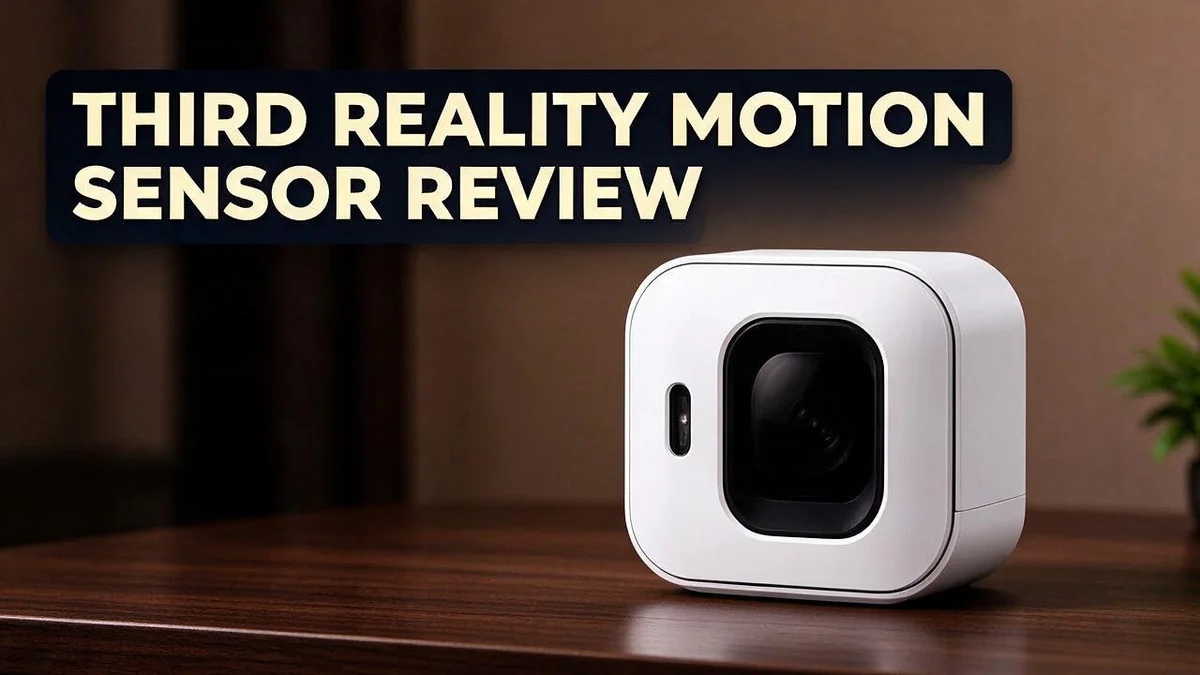
Third Reality Motion Sensor Review: Detection Range, Battery Life, and Smart Home Compatibility
Want a motion sensor that spots movement from across the room? The Third Reality Motion Sensor could be a strong pick for your smart home. It offers a long detection range and a battery that can last up to two years with typical use.
Many homeowners want alerts they can trust without swapping batteries all the time. This sensor uses PIR motion detection and has a pet friendly design, so it suits homes with furry family members. It works best when you already run a compatible smart home system.
Before you buy, know one key requirement. You need a Zigbee hub to set it up. The good news is that it works with popular platforms like Home Assistant, SmartThings, Homey, Hubitat, and Echo.
In this review, we break down the key specs, the real pros, and the honest downsides. Keep reading to see if this sensor fits your home.
In a Nutshell
- Who it suits: Smart home fans who already run a compatible hub will feel at home with this sensor. It fits right into existing setups.
- Where it shines: Hallways, stairwells, and open living rooms benefit from its wide view. One unit can cover a lot of ground.
- Pet owners find relief: Your cat or dog can roam without causing constant false alarms. Peace of mind comes easy.
- Think about placement: Mount it where people actually walk. Aim it away from heating vents and sunny windows for steadier readings.
- Plan for the bulk: The larger body stands out on a shelf or wall. Pick a spot where it blends in or sits behind décor.
- Bottom line: This sensor suits people who want fast, wide detection and a hub-based smart setup. Confirm your hub compatibility first, then decide.
Detection Range and Accuracy

- ZIGBEE STANDARD COMPATIBLE MOTION SENSOR: A Zigbee Hub is required. Compatible with Zigbee hubs and Echo...
- CREATE ROUTINES: Using the Alexa app, create your own routines that are triggered when motion is detected...

Last update on 2026-06-17 / Affiliate links / Images from Amazon Product Advertising API
The detection range is one of the most talked about features of this sensor. One source lists it at up to 20 feet, or about 6 meters. Another listing shows a number that cuts off, so the exact figure stays unclear.
Real range depends on your room shape. Furniture, walls, and doorways can block the view. Open spaces usually give the best results. A long hallway often performs better than a room full of tall shelves. Test the sensor in your own space first.
Accuracy starts with how the sensor works. This model uses passive infrared technology, or PIR. PIR sensors read body heat and movement. Sunlight, heaters, and air vents can shift temperature and cause extra triggers, so keep the sensor away from them.
One user reported no false positives, which is an encouraging sign. Still, one report does not prove steady accuracy over time. Long term reliability has not been established in the research behind this review.
Fast reaction matters just as much. The sensor responds quickly when someone enters a space. Motion also needs to cross the sensor’s field, not just come close. Quick triggers help lights turn on as you walk in. A slow sensor can leave you standing in the dark.
Signal strength affects accuracy too. Zigbee devices rely on a steady connection to the hub. Place your hub within a reasonable distance from the sensor. Weak signals can delay alerts and make results feel unreliable.
Run a simple test before you rely on it. Walk through the detection zone at different times of day. Note how often it triggers when nobody is there. This quick check shows real performance better than any spec sheet.
Good accuracy depends on both range and setup. Treat the listed range as a starting point. Your home will decide the final result. Plan for a few days of testing before you mount it permanently.
Design and Build
The design starts with a simple shell that feels practical in your hand. Its plain look suits most living spaces and shared rooms.
Build quality shapes daily trust. A sensor on a wall faces dust, bumps, and daily wear. Check that the housing closes firmly after you change the batteries.
Battery access deserves a look too. The sensor takes two AAA batteries, so the cover should open without force.
Plan your mounting method before you start. Some people prefer screws for a firm hold. Others choose adhesive for a faster install that can move later.
Because the sensor runs on batteries, you avoid running cables. That freedom lets you place it in spots that power outlets cannot reach.
The front face holds the motion sensing window. Keep it clean and free from dust, since buildup can block the view.
Aim the face with care. Tilt the unit slightly so the sensing window faces the main walking path. Small angle changes can shift coverage a lot.
A plain finish helps the unit blend into most walls and shelves. Choose a spot where the body sits flat, so it looks neat over time.
Stability matters more than many people expect. Use a level surface or a firm bracket, so the sensor does not tilt or shift. Painted drywall, wood, and glass each hold adhesive differently, so test a small area first.
Check the mount after a week. A loose bracket can change the sensing angle and cause missed or odd triggers.
Good design supports good results. A solid build, easy battery access, and a clean sensing face all help this sensor perform well over the long run.
Hub Requirements and Setup
Before you buy, check your smart home hub. This sensor uses Zigbee, so it needs a Zigbee hub to work. Without one, the sensor cannot join your network.
Good news: several popular platforms support it. Home Assistant, SmartThings, Aeotec, Homey, Hubitat, and Echo all work with this sensor. Find your platform on that list first.
Pairing usually starts in your hub app. Open the add device menu, then follow the steps to press the sensor’s pairing button. Keep the sensor near the hub during this step so the connection forms quickly.
Give the sensor a clear name, such as Hallway Motion. Clear names make routines easier to build. You can then link the sensor to lights, alarms, or other devices.
Zigbee devices can also relay signals for each other. Plugs and bulbs that stay powered help spread the network. Place your hub in a central spot, away from metal cabinets and thick walls.
Think about the R1 model too. The separate R1 uses a different battery and sensing method. Check its setup needs on its own, so you do not assume they match.
Before you rely on the sensor, follow this quick checklist:
- Confirm your hub runs and stays online.
- Update the hub software to the latest version.
- Insert the two AAA batteries.
- Pair the sensor while it sits near the hub.
- Name the device and build one simple routine.
If the sensor fails to pair, move it closer to the hub and try again. Restart the hub if the problem continues. Most connection issues clear up within a few minutes.
Write down your hub model and software version before you start. This note helps when you need support later. It also saves time when you add more Zigbee devices.
Hub first, setup second, and testing third. This order saves time and frustration. Your sensor will then feel like a natural part of your home.
Top 3 Alternatives
Looking for a different motion sensor? These three options stand out. Each one adds something useful to a smart home setup.
Aqara Motion Sensor

- [NOTES] Requires Aqara Zigbee 3.0 hub (Not compatible with other Zigbee hubs). Requires a secured 2.4 GHz...
- [5-Year Battery Life] The Zigbee motion sensor boasts an impressive five-year battery life, maintaining...
Last update on 2026-11-05 / Affiliate links / Images from Amazon Product Advertising API
The Aqara Motion Sensor keeps things simple. It detects movement and light levels in a small, easy design. Most users place it near doorways or hallways. The sensor runs on a long-lasting battery, so you can mount it almost anywhere.
Eve Motion Sensor

- 120° field of view and up to 9 m detection range. Indoors and outdoors thanks to IPX3 water resistance and...
- Control your lights and appliances with movement, and receive notifications when motion is detected (available...
Last update on 2026-06-09 / Affiliate links / Images from Amazon Product Advertising API
The Eve Motion Sensor focuses on privacy and clean design. It connects through Thread, which helps it work well with Apple Home. It also measures temperature and ambient light, so you get more insight from one device. Setup feels quick for anyone already using Apple products.
Philips Hue Motion Sensor

- WHAT'S IN THE BOX - Includes one Hue Motion Sensor and two AAA batteries; Automates your smart lights to...
- REQUIRES A HUE BRIDGE - Unlock the power of Hue and enjoy automations control from anywhere in the world, and...
Last update on 2026-08-22 / Affiliate links / Images from Amazon Product Advertising API
The Philips Hue Motion Sensor works with Philips Hue lights and a Hue Bridge. It turns lights on when movement appears and off after a set time. It suits people who already own Hue bulbs. Many users like how it creates automatic lighting routines without extra hardware.
Each option offers reliable motion detection for a smarter home. Choose the one that matches your existing devices and daily routines. The right sensor makes automation feel effortless.
Battery Life and Power Options
Battery life is a big selling point. This sensor runs on two AAA batteries. With typical use, they can last up to two years, so you rarely need to climb a ladder to swap them.
Your real results depend on how busy the space is. A hallway with constant foot traffic triggers the sensor more often. Each trigger uses a little power. A quiet guest room will likely stretch the batteries further.
Check battery status through your hub. Many smart home apps show device health, so look at it now and then. Set a reminder when you see a low battery warning. Do not wait until the sensor stops responding.
Keep a spare pair nearby. Buy fresh batteries before you need them. Write the install date on a card or in your hub notes. This makes the next swap quick and simple.
Choose fresh, reliable batteries. Fresh cells usually perform better than old or leftover stock. Replace both batteries at the same time. Mixing old and new cells can lead to uneven power.
Plan for power before you install. This model depends only on batteries. It does not offer a plug in option. If you want a sensor that never needs battery changes, consider a wired model instead.
Set a calendar reminder early. Mark a date about 18 months after setup. Check the batteries on that day. This gives you a buffer before the two year mark.
Small placement habits help too. Avoid aiming the sensor at moving tree branches, curtains, or heating vents. These movements can cause extra readings. Fewer unnecessary triggers mean less battery drain over time.
Battery life works well for most homes. Watch the alerts, keep spares ready, and plan your checks. Then you can enjoy steady motion detection for a long time.
Smart Home Platform Compatibility
Compatibility decides whether this sensor fits your home setup. The sensor uses Zigbee, so your system must support that standard.
Several popular platforms work with it. The research lists Home Assistant, SmartThings, Aeotec, Homey, Hubitat, and Echo as compatible options.
Each platform handles devices in its own way. Some systems add the sensor with a few taps. Others need extra steps or manual settings.
Home Assistant suits people who enjoy deep control. It supports a wide range of Zigbee devices, so you can build detailed automations.
SmartThings fits homes that already use Samsung gear. Its app feels simple, which helps new users feel confident.
Amazon Echo works in a different way. Some Echo models include a built in Zigbee hub, while older models need a separate bridge. Check your model before you order.
Think about future plans too. Zigbee devices from many brands often work together on one hub. This gives your home room to grow.
Aeotec also sells Zigbee hubs, so it offers a practical path for many users. Homey and Hubitat add local processing options as well.
Local control matters to many people. Platforms like Home Assistant and Hubitat can keep your automations running even when internet service drops.
Check support notes before you commit. Compatibility lists change over time, so review your platform’s latest device information first.
Finally, match the platform to your comfort level. Beginners often prefer guided setup screens, while experienced users enjoy advanced rules and scripts.
Your hub choice also affects how many devices you can add. Many hubs handle dozens of Zigbee devices, but limits vary by model.
Ask one question first. Will the platform run the automations you want without extra cloud services?
Match the platform to your daily routine. A simple platform works well for lights and alerts. Complex routines may need a more flexible system.
Good compatibility makes the sensor feel like a natural part of your home.
Pros and Cons
Pros
- It detects motion up to 20 feet, so one sensor covers a wide area.
- It reacts quickly when someone walks into view.
- The pet friendly design helps reduce alerts from furry roommates.
- One user reported no false alarms during their testing.
Cons
- Its bulky body can look large on a wall or shelf.
- It needs a Zigbee hub before it will work.
- Long term reliability has not been proven yet.
Who Should Buy It
This sensor fits best for people who already run a smart home. If you own a Zigbee hub, this device slots right in. You avoid buying extra gear just to get started.
Renters often make a good match for this sensor. Nobody wants to rewire walls before moving out. Battery power means no wires to run, so the setup stays flexible.
Homeowners who want fewer gadgets should also take a look. One sensor can watch a wide area. That helps you limit the number of devices around the house.
Power users often get the most out of this device. Motion can trigger lights, fans, or alerts on a schedule. Automations turn simple movement into useful daily routines.
Parents with older kids may like this sensor too. Kids often wander at night. A motion alert can offer peace of mind when someone gets up.
Home offices and workshops also suit this sensor. Motion detection can confirm when someone is present. Lights can switch on without a single tap.
Beginners may want to wait before buying. Setting up a hub and pairing devices takes some patience. New users who expect plug and play may feel frustrated.
Shoppers who enjoy learning new tools will likely feel at home here. This sensor rewards people who like tweaking settings. If learning is part of the fun, you will probably enjoy the process.
Think about your daily habits before you commit. A quiet guest room needs less coverage than a busy hallway. Match the sensor to the room’s purpose, and your routines will feel smoother.
Shoppers who need a long track record should pause too. Long term results are still unclear from the available research. Reading more user reviews can help you decide.
In short, this sensor suits tech comfortable homeowners and renters. Think about your hub, your routines, and your comfort with setup. If those match, this sensor could be a smart pick.
Final Verdict
Our final take is simple. This sensor does its main job well. It works best for people who want a dependable motion trigger without fuss.
Think of it as a workhorse rather than a showpiece. Its plain look hides a practical design built for daily use. Lights, alarms, and routines can all lean on it.
Consider the R1 sibling too. A separate model uses an AA battery and 5.8 GHz mmWave sensing. That version may suit different needs, so compare both before you choose.
Placement matters more than many buyers expect. Aim the lens at the main walkway. Keep it away from heaters, sunny windows, and air vents, since sudden temperature shifts can confuse motion readings.
Signal strength deserves a quick check too. Zigbee devices pass messages along a mesh, so a hub placed centrally helps everything connect. Set up the hub first, then mount the sensor at its final spot.
Map out your automations first. Write down three or four routines you want to run. This simple list helps you test the sensor quickly and spot gaps early.
Give it a full week. Watch how it behaves during normal days and nights. Note any missed triggers or strange timing. Your own results will tell you more than any spec sheet.
The bottom line. This sensor offers useful range and a strong fit for hub based setups. Choose it when you value steady function over flashy extras. Clear rules for everyone who shares the home keep the system running smoothly, and your daily routines will show whether it earns a permanent spot on your wall.
Frequently Asked Questions
Which smart home platforms work with this sensor?
This sensor works with Home Assistant, SmartThings, Aeotec, Homey, Hubitat, and Echo. Pick the platform you already use for the smoothest start. Each one has its own setup steps, so read the guide for your hub first.
Can it turn on lights in a hallway at night?
Yes, motion triggers can switch on lights in many smart home setups. Create a simple rule in your hub app that links the sensor to a light. Add a time limit so the light turns off after a few minutes. This keeps your hallway lit only when someone needs it.
Does this sensor work outdoors?
The research does not cover outdoor use. Check the product page before you mount it outside. For now, indoor placement is the safer choice. Keep it away from direct sunlight and strong drafts for the best results.
How do I check if my hub is compatible?
Look for Zigbee support on your hub’s spec sheet or product page. Most popular hubs list it clearly. If you feel unsure, contact the hub maker before you buy. A quick check now saves time and frustration during setup.

DK is a technology expert who specializes in AI tools, software, and tech gadgets. He writes for How to Tech Info, providing detailed reviews and practical guides. DK helps readers discover the best AI applications, navigate new software, and choose the right tech gadgets.


