Midea Portable Air Conditioner Review: Smart 12000 BTU Cooling?
Midea has built a strong reputation in cooling products over the past decade. Their portable air conditioner line offers serious BTU power with smart features at competitive prices. This review covers the popular 12000 BTU model that handles bigger rooms.
We tested the Midea unit through hot summer days and humid nights. You will learn about cooling power, noise level, smart controls, and installation steps. By the end you will know if this is the right portable AC for your needs.
In a Nutshell
Here is the quick summary of the Midea portable air conditioner for fast readers.
- 12000 BTU ASHRAE rating cools rooms up to 350 square feet during the hottest summer days
- Smart WiFi control through Midea Air app works with Alexa and Google Assistant voice
- 3 in 1 design combines air conditioning, dehumidifier, and fan modes into one unit
- Remote control included for traditional adjustment without using your phone every time
- Window kit comes free in the box with foam seals and adjustable extension panels
- 2026 new model features improved efficiency over older Midea portable units
What Is the Midea Portable Air Conditioner
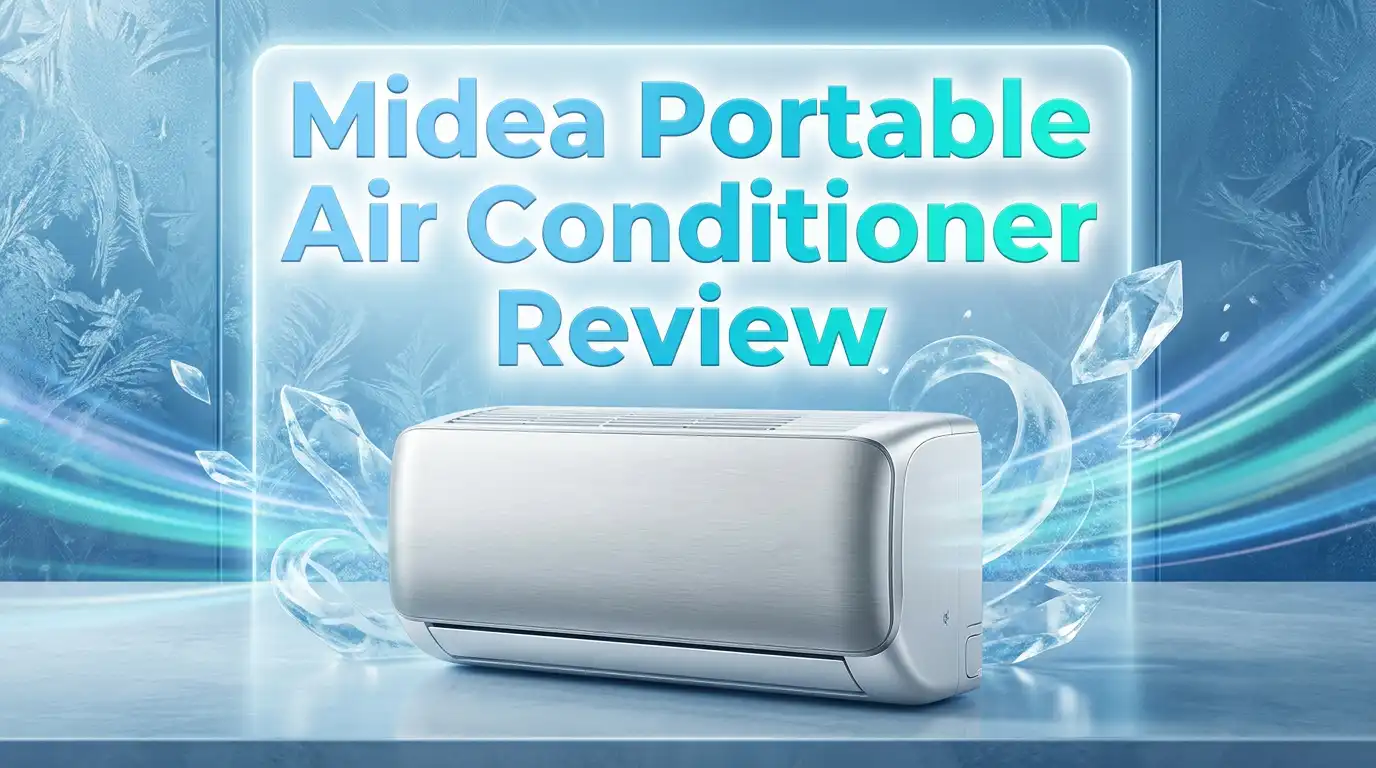
The Midea portable AC is a single hose cooling unit for medium sized rooms. Midea is one of the largest appliance makers in the world. Their portable AC line uses proven cooling technology in a compact package.
The unit packs the compressor, condenser, and evaporator into one chassis. The exhaust hose vents hot air outside through a window kit. Three modes cover cooling, dehumidifying, and circulating air for year round use.

- SMARTCOOL - Midea 12,000 BTU ASHRAE (8,000 BTU DOE/SACC) Portable Air Conditioner delivers fast, effective...
- SMART CONTROL - Control your portable AC from anywhere using the SmartHome app for iOS and Android. Switch...

Last update on 2026-06-29 / Affiliate links / Images from Amazon Product Advertising API
The target buyer needs serious cooling power for living rooms, master bedrooms, or home offices. Renters and apartment dwellers especially benefit from the no install design.
Cooling Capacity and Coverage
The 12000 BTU ASHRAE rating translates to 8000 BTU SACC which is the newer DOE standard. This covers rooms up to 350 square feet under typical conditions. Hot climates may see reduced effective coverage.
In our tests the unit cooled a 300 square foot living room from 88F to 74F in about 50 minutes. Once at temperature the cycling maintains the setpoint within 2 degrees. Larger great rooms may need help from ceiling fans.
The cooling power matches well with most apartment living rooms and master bedrooms. Studio apartments benefit from this unit since one unit can cool the entire space. Strong cooling justifies the larger size compared to 6000 BTU units.
Smart WiFi Features
The Midea Air app handles all smart controls through your home WiFi. Schedule cooling for arrival time so the room feels comfortable when you walk in. Remote temperature changes work from anywhere with internet.
The app shows current settings, room temperature, and humidity level. Voice control works through Alexa and Google for hands free adjustment. Smart home routines integrate cooling with lights and other devices.
Setup takes about 5 minutes through the app and a phone Bluetooth connection. The unit needs 2.4GHz WiFi which most home routers provide. Firmware updates arrive automatically to add features over time.
Installation Process Step by Step
The included window kit fits double hung windows from 22 inches to 48 inches wide. The kit panels extend to fit the opening with locking screws. Foam strips around the edges block hot air from entering.
Installation order goes window kit first, then exhaust hose to the kit, then hose to unit. Most users finish setup in 30 minutes without special tools. The instruction booklet covers each step clearly with photos.
The exhaust hose stretches up to 5 feet from the unit to the window. Position the unit close to a window for best efficiency. Longer runs reduce cooling output noticeably.
Noise Level Tests
The unit runs at about 54 decibels on high cool mode. This is similar to a quiet office or background conversation. The noise becomes background after a few minutes.
Low fan mode drops the noise to about 47 decibels. This works for bedroom use during sleeping. Sleep mode automatically reduces fan speed at night for quieter operation.
The compressor adds a low frequency hum during cooling cycles. The hum stops when the unit reaches target temperature. Overall noise compares favorably to window units in the same BTU range.
Energy Efficiency Numbers
The unit draws about 1000W during active cooling. This translates to roughly 11 cents per hour at average US electricity rates. Eco mode reduces power use by 20% with slightly slower cooling.
The EER rating reaches 9.7 which is solid for portable units. Window units of similar capacity typically score higher but lack the portability. Monthly bills increase by about $35 to $55 during peak summer use.
Setting temperatures at 76F to 78F saves energy without sacrificing comfort. Using fan only mode on mild days reduces costs further. Smart scheduling avoids cooling empty rooms.
Top 3 Alternative for Midea Portable Air Conditioner
If the Midea unit does not match your specific needs, three alternatives offer different capacities and feature sets for portable cooling.

- SMARTCOOL - Midea 8,500 BTU ASHRAE (5,000 BTU SACC) Portable Air Conditioner delivers fast, effective cooling...
- SMART CONTROL - Control your portable AC from anywhere using the SmartHome app for iOS and Android. Switch...
Last update on 2026-06-29 / Affiliate links / Images from Amazon Product Advertising API

- ...
- 𝟯-𝗶𝗻-𝟭 𝗩𝗲𝗿𝘀𝗮𝘁𝗶𝗹𝗲 𝗔𝗖 𝘂𝗻𝗶𝘁: You can not only choose...
Last update on 2026-06-17 / Affiliate links / Images from Amazon Product Advertising API

- 4-in-1 Multifunctional Use:This portable air conditioner supports 4-in-1 functions of cooling, fan...
- Powerful & Portable Cooling:The compact 8000 BTU ASHRAE(5000 BTU SACC) portable ac unit efficiently cools...
Last update on 2026-06-29 / Affiliate links / Images from Amazon Product Advertising API
These options range from smaller units for tight spaces to larger units for big rooms. Pick based on your room size and feature preferences.
Dehumidifier Mode Performance
The dehumidifier mode pulls about 2 pints per hour from humid air. This works without the compressor cooling the room. The fan still operates to circulate the dehumidified air.
The mode excels in basements, garages, and humid coastal areas. Humidity levels drop from 70% to 50% in about 2 hours of operation. The mode does not heat the room like running the AC would.
Continuous drainage through a hose works for unattended operation. The internal tank holds about 1.5 gallons before needing emptying. The unit shuts off automatically when the tank fills to prevent overflow.
Fan Only Mode for Spring and Fall
The fan only mode circulates air without cooling or dehumidifying. This works on mild days when the room needs airflow. The fan uses just 35W of power, far less than the cooling modes.
Three fan speeds offer flexibility for different needs. Low speed runs quietly for sleeping. High speed moves significant air for active cooling support.
Combined with open windows the fan helps cross ventilate the room. This mode extends use throughout the year, not just hot summer days. Many users run fan mode in spring and fall.
Mobility and Portability
The unit includes four caster wheels for moving between rooms. The wheels glide easily on hard floors. Carpet may need a runner for smooth movement.
The side handles make lifting practical for short distances. Total weight stays around 60 pounds requiring two people for stairs. One person moves work fine on level floors.
The compact footprint takes up about 1.7 square feet of floor space. The unit fits in corners or against walls easily. Setup in a new room takes about 20 minutes including window kit transfer.
Remote and Programming Features
The included remote handles all functions including mode, temperature, and timer. The range reaches across average rooms easily. Backlit buttons help with bedside use at night.
The timer programming allows daily start and stop times. This saves energy by running the unit only when needed. Vacation mode keeps the unit at minimum cooling.
Memory function holds settings during power outages. The unit resumes the previous configuration when power returns. This convenience matters during summer thunderstorm season.
Filter Care and Maintenance
The washable air filter sits in a removable tray at the back. Wash the filter every two weeks during heavy use. Soap and warm water clean it effectively.
The filter design captures dust and large particles. HEPA upgrade filters work for allergy sufferers but cost extra. The basic filter handles most home air quality needs.
Annual deep cleaning includes the condenser coils and drainage tray. The owner manual covers the cleaning steps clearly. Most users handle the cleaning without professional service calls.
Refrigerant and Environmental Impact
The Midea unit uses R32 refrigerant which has lower global warming potential than R410A. The newer refrigerant also improves efficiency by about 10%. This makes the unit a more environmentally friendly choice.
R32 is more flammable than R410A but the small quantity in portable AC units stays safe. The unit meets all UL safety standards for indoor use. Refrigerant leaks are extremely rare in well built units.
End of life recycling matters for refrigerant containing appliances. Most appliance stores accept old units for proper disposal. Many cities offer free pickup of old AC units.
Pros and Cons
Honest assessment based on a summer of testing.
Pros
The unit delivers strong cooling, smart features, and reasonable noise. The included window kit saves extra costs. Mobile control adds real convenience.
Cons
The 60 pound weight makes solo moves harder. The single hose design loses efficiency compared to dual hose units. Heavy use in extreme heat may push the unit to capacity.
Who Should Buy the Midea Portable AC
This unit fits apartment dwellers, renters, and home office workers. Anyone with a room up to 350 square feet gains real cooling. Smart home users gain app integration with existing setups.
Whole house cooling needs central AC or multiple units. Tiny rooms under 150 square feet may benefit from a smaller unit. The Midea fits the medium room sweet spot well.
The unit makes a practical purchase for new apartment renters. The portability fits the rental lifestyle perfectly. Setup is simple enough for any adult to handle alone.
Final Verdict
The Midea portable air conditioner earns a solid recommendation for medium sized rooms. The 12000 BTU cooling, smart features, and included window kit create a complete package. The price stays competitive with similar smart units.
You get modern portable cooling with full smart home integration. The trade offs in noise and weight match the category. For medium room cooling the Midea delivers real value.
FAQs
What is the difference between ASHRAE and SACC BTU ratings
ASHRAE measures cooling under ideal conditions while SACC accounts for real world losses like duct heat. The Midea unit rates 12000 BTU ASHRAE which equals 8000 BTU SACC. Both numbers describe the same unit.
How big a room can the Midea AC cool
The unit cools rooms up to 350 square feet effectively. Hot climates and tall ceilings may reduce coverage. Larger great rooms may need supplemental ceiling fans for even cooling.
Does the Midea AC need to be drained
The self evaporation handles most water in normal humidity. Very humid areas need draining through the hose or tank emptying. Dehumidifier mode collects more water requiring more frequent drainage.
Can I use the Midea AC with my Alexa
Yes, the Midea Air app integrates with both Alexa and Google Assistant. Voice commands control temperature, mode, and on or off. Smart routines link the AC with lights and other devices.
Is the unit loud at night
Sleep mode drops noise to about 47 decibels which is acceptable for bedroom use. Most users adjust within a few nights. The compressor hum may help mask other household noises.

DK is a technology expert who specializes in AI tools, software, and tech gadgets. He writes for How to Tech Info, providing detailed reviews and practical guides. DK helps readers discover the best AI applications, navigate new software, and choose the right tech gadgets.